Mistake 1: Planning the activity before noticing the reader
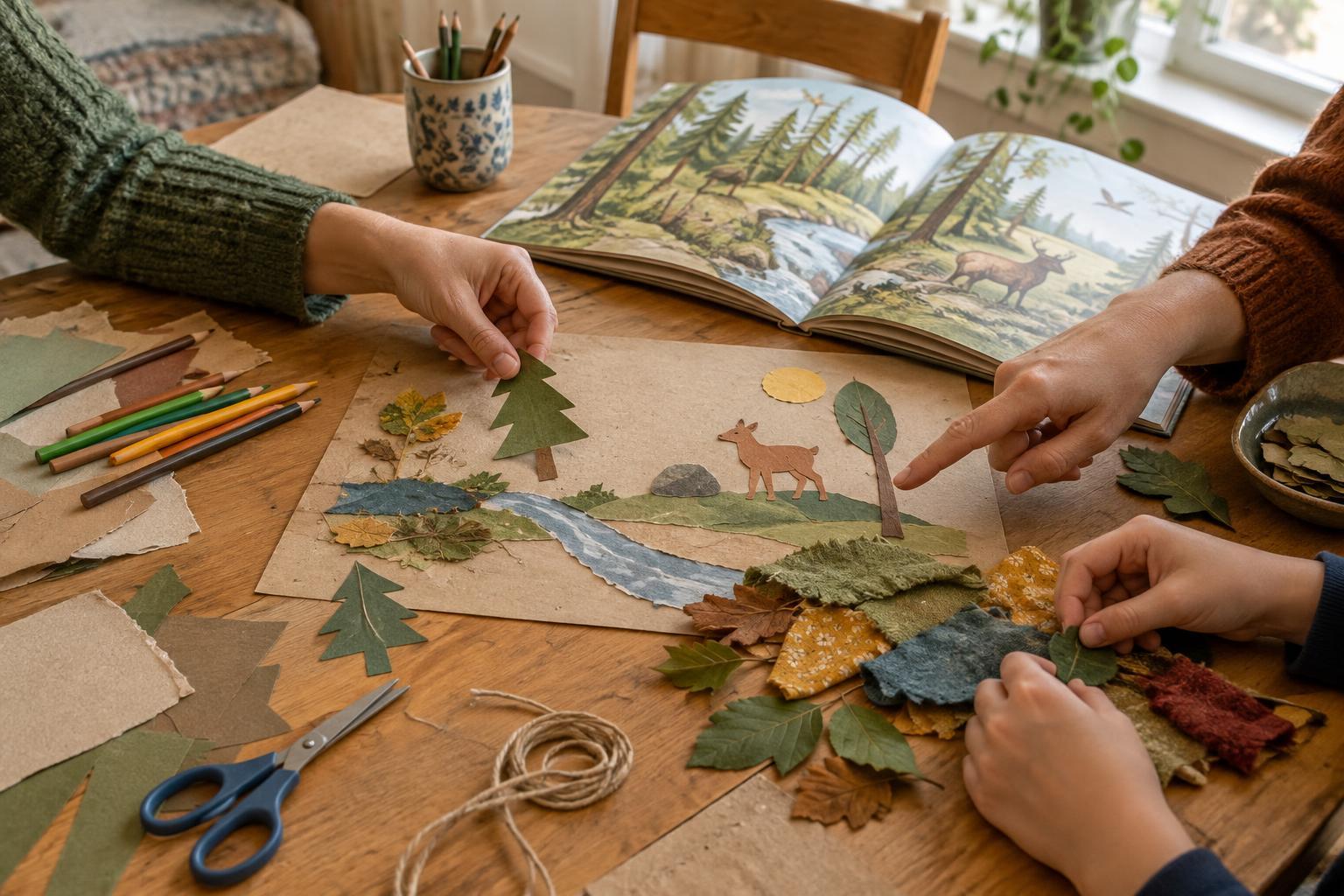
It is tempting to finish a book and announce an elaborate project: everyone will build the setting, dress as a character or act out the ending. But the reader may still be thinking about a tiny detail, such as a mysterious key or a character’s unusual lunch. An activity feels more connected to the book when it begins with what caught someone’s attention, not with a predetermined craft.
Try asking one open question: “What part would you like to explore?” A reader who loved the setting might draw a map; someone intrigued by the dialogue might perform a short scene. A quiet reader might prefer to collect objects that remind them of the story. If no one wants an activity yet, let the book be enough. Enjoying a story does not require making something afterward.
Mistake 2: Turning play into a reading test
A quiz can sneak into an activity when every creative choice must match the text. If a child makes a purple dragon from a book that describes a green one, correcting the color may shift attention from imagination to getting the answer right. Discussing details can be enjoyable, but it need not become the price of joining in.
Offer room for both remembering and inventing. You might say, “The book’s dragon was green. What made you choose purple for yours?” That invites conversation without rejecting the idea. For a group, consider two prompts: “Make something from the story” and “Make something the story made you imagine.” Readers can then revisit the book for clues or take it in a new direction.
Mistake 3: Making the project too big to finish
A model village with painted buildings sounds wonderful until the materials, setup and cleanup take longer than anyone wants to spend. The problem is not ambition itself; it is making a large result the only acceptable result. When the project becomes tiring, readers may remember the frustration more clearly than the book.
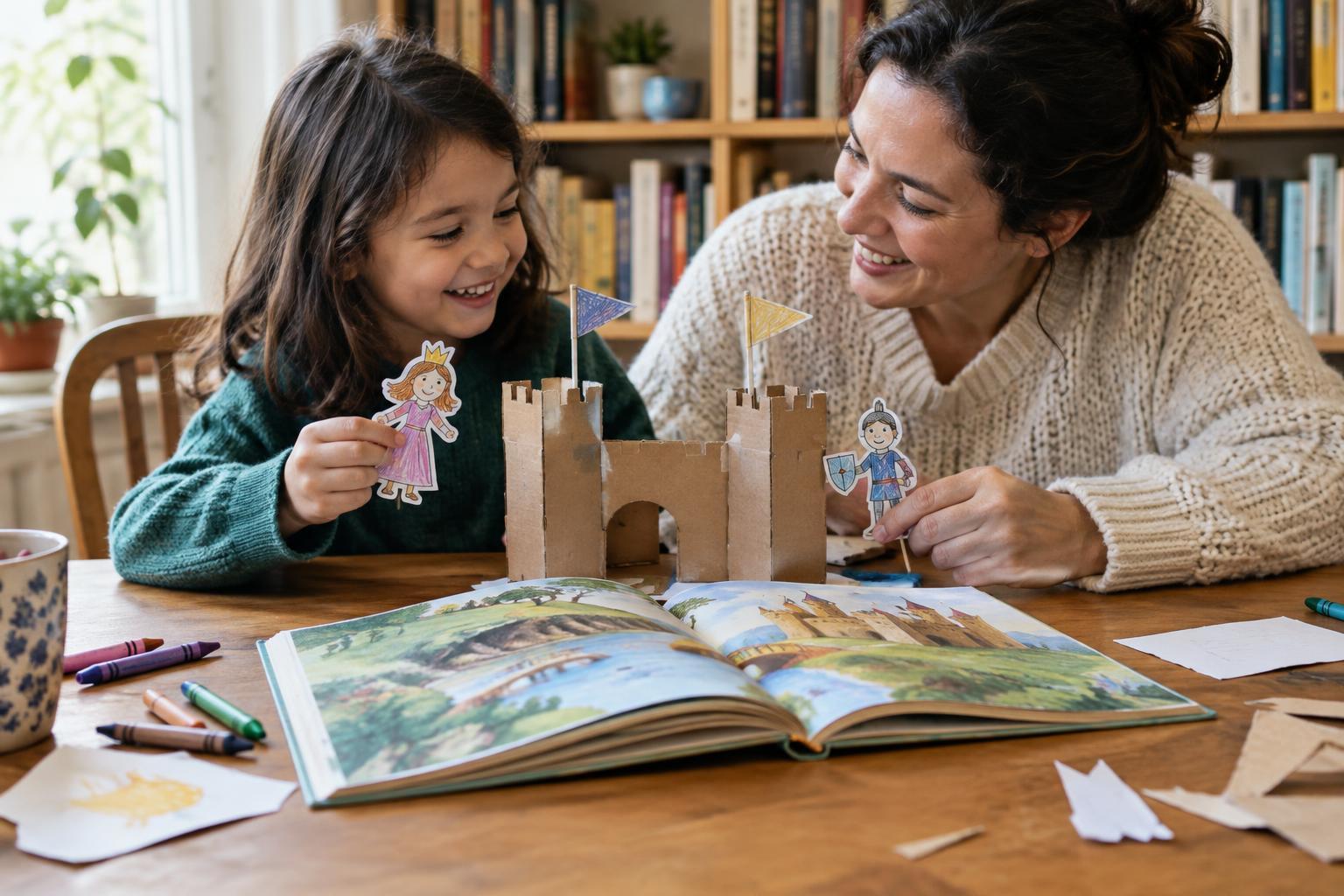
Shrink the first step. Make one paper doorway instead of a whole castle, sketch one stop on a journey instead of a complete map, or act out a single exchange rather than the entire plot. Keep optional supplies nearby so interested readers can extend the idea. A short activity that ends while everyone is still curious can be more satisfying than an unfinished production.
Mistake 4: Expecting one kind of participation
Not every reader enjoys drawing, performing or getting messy. Someone may love a story while disliking the activity chosen for it. In a group, an invitation can start to feel like a demand when the only visible way to take part is to make the same object as everyone else.
Give a few ways in. For a story about a journey, participants could draw a route, arrange a trail of household objects, narrate a new stop or simply help choose a name for the destination. Offer ways to participate without cutting, glue or noise when those are barriers. Listening, watching and changing one’s mind are valid forms of participation too. The shared connection is the story, not an identical finished product.
Mistake 5: Forgetting to return to the book
Sometimes the craft takes over so completely that the story becomes a loose theme. There is nothing wrong with free play, but a small return to the book can make the activity richer. It can also reveal that different readers noticed different things, without asking anyone to defend a “correct” interpretation.
Leave the book within reach. Look back at an illustration that sparked a design, reread a favorite passage before acting it out or compare a homemade map with the places named in the story. Keep the invitation light: “Want to see how the book described this?” works better than stopping the activity for a lesson. When it is time to finish, ask what everyone would like to keep, change or try another day. The best outcome may be a new creation, a fresh question or simply the wish to read the story again.