
Information LiteracyA search result can look like a ready-made answer, but its title and preview show only a small piece of a page. Learn how to use snippets to choose what to open, then check the full source before relying on what it says.
Read article · 3 min↗


Information LiteracyA missing title in your library catalog is not always the end of the search. Learn how to check for other editions, request a purchase, use interlibrary loan, and give library staff the details they need to help.
Read article · 4 min↗
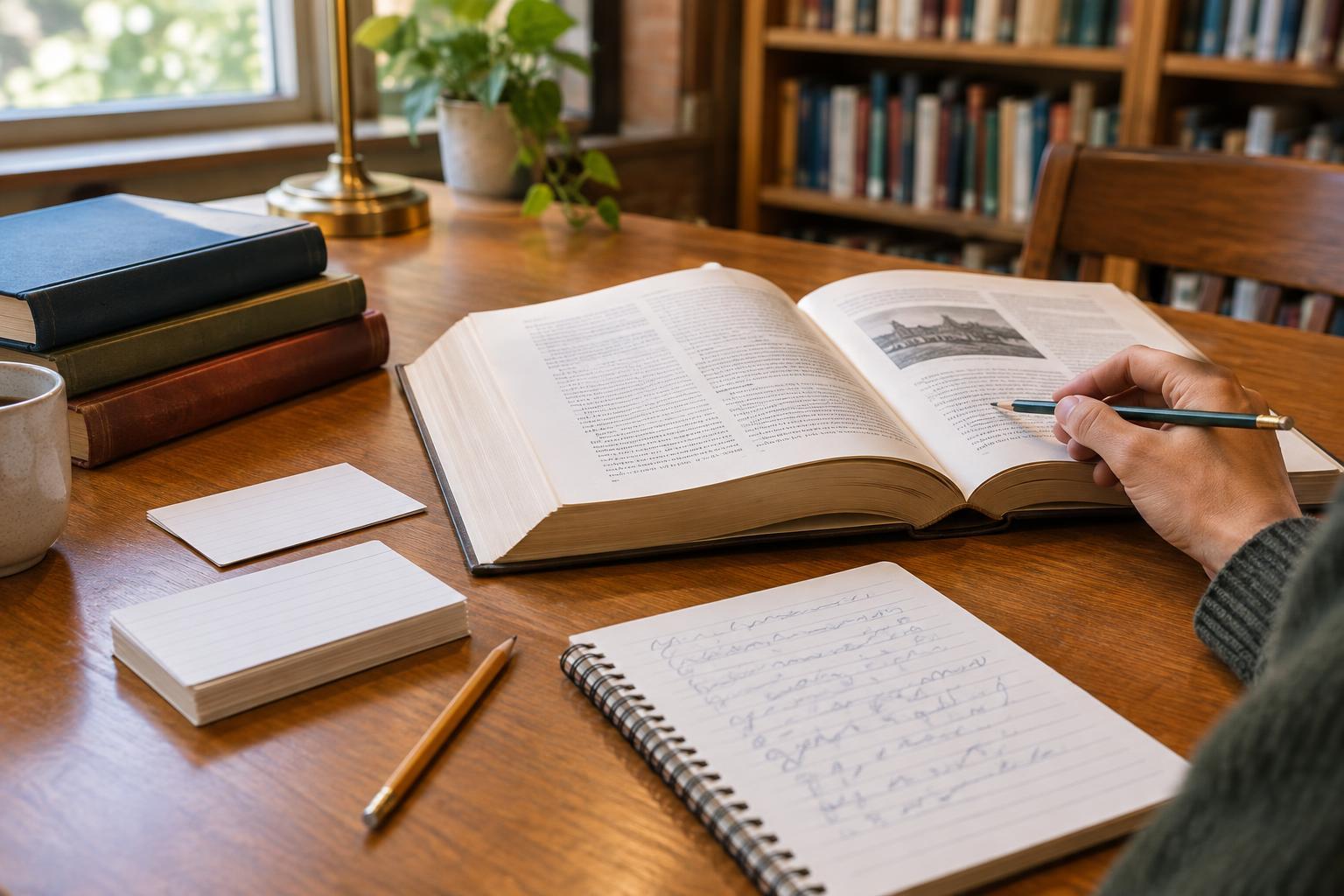
Information LiteracyUsing a source well means more than changing a few words. Learn when to quote, how to paraphrase in your own voice, and what to record so readers can follow your trail back to the original.
Read article · 4 min↗

Information LiteracyA good research note helps you find a source again, check what it says and give credit when you use it. Learn a simple habit for recording source details alongside ideas from books, articles and websites.
Read article · 4 min↗
Information LiteracyA sentence can report something checkable, express a judgment or draw a conclusion from clues. Learn how to tell the difference, spot statements that mix all three and read sources without giving them credit for claims they never made.
Read article · 4 min↗
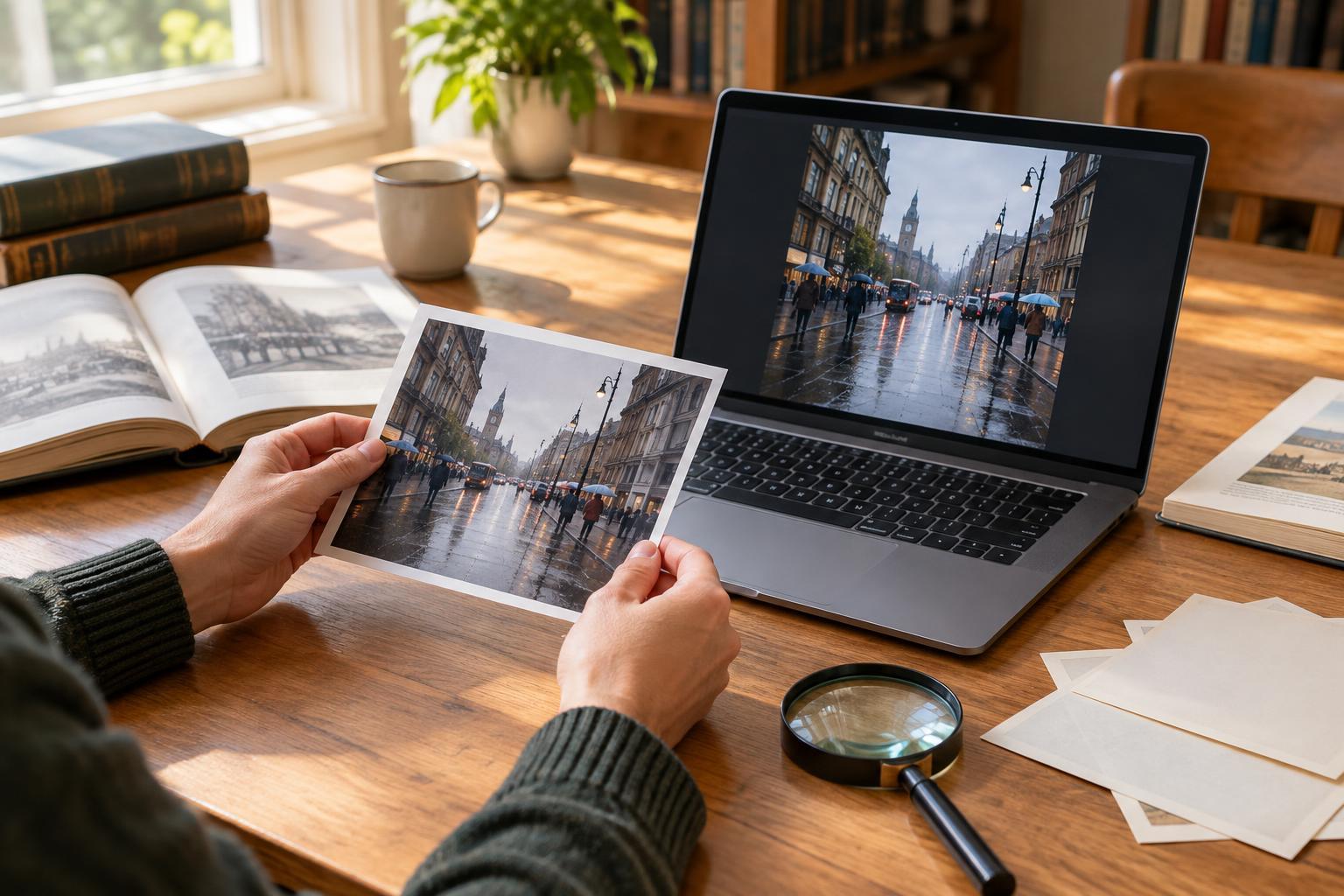
Information LiteracyA photograph can be genuine and still tell the wrong story when it is paired with a misleading caption. Learn a practical, repeatable way to check where an image came from, what it shows, and whether the claim attached to it holds up.
Read article · 4 min↗

Information LiteracyA number can make a claim sound convincing, but it rarely tells the whole story. Learn how to check who was counted, what a percentage describes and which details might change your interpretation.
Read article · 4 min↗
Information LiteracyA memorable quotation can travel through articles, books and social posts until its origin becomes hard to see. Learn how to follow the trail, check the wording and decide what the original source actually supports.
Read article · 4 min↗

Information LiteracyA polished website can tell a convincing story about itself. Lateral reading offers a better starting point: open another tab, find independent context, and trace important claims to their origins. Here is a practical routine for curious readers of all ages.
Read article · 4 min↗

Information LiteracyAn old source is not automatically a bad source, and a recent one is not automatically reliable. Learn how to decide whether information is fresh enough for the question you’re asking.
Read article · 4 min↗

Information LiteracyA book recommendation, study guide or search result can be useful even when someone paid to create or promote it. Learn how to spot sponsorship, recognize possible conflicts of interest and decide how much weight to give what you read.
Read article · 4 min↗

Information LiteracyAn impressive bio does not always mean an author knows the subject of a particular book or article. Learn how to look for relevant experience, inspect the evidence, and decide how much weight to give what you read.
Read article · 4 min↗
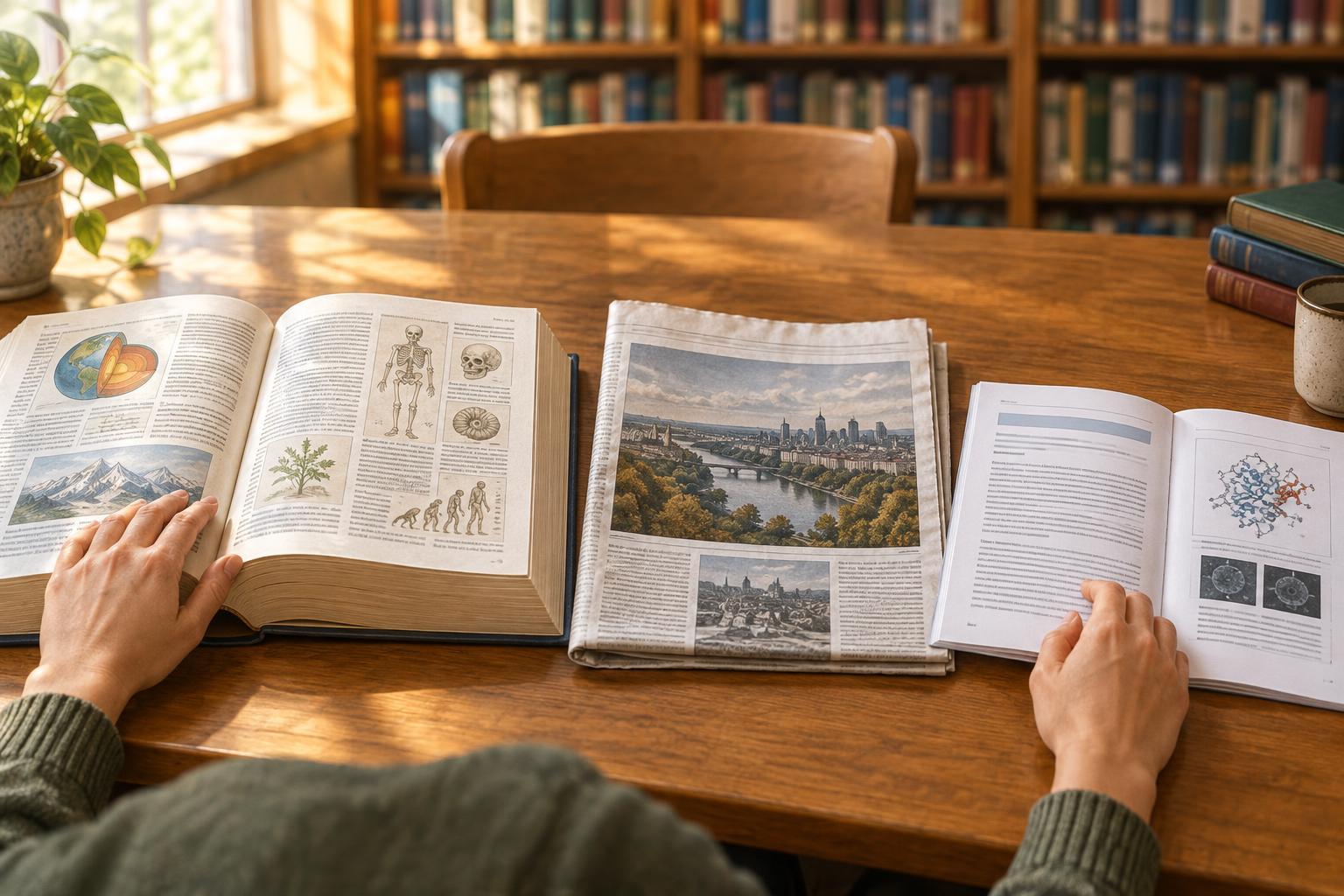
Information LiteracyA good source depends on the question you are asking. Learn how encyclopedias, news reports and research articles serve different purposes—and how to move between them when one source is not enough.
Read article · 4 min↗
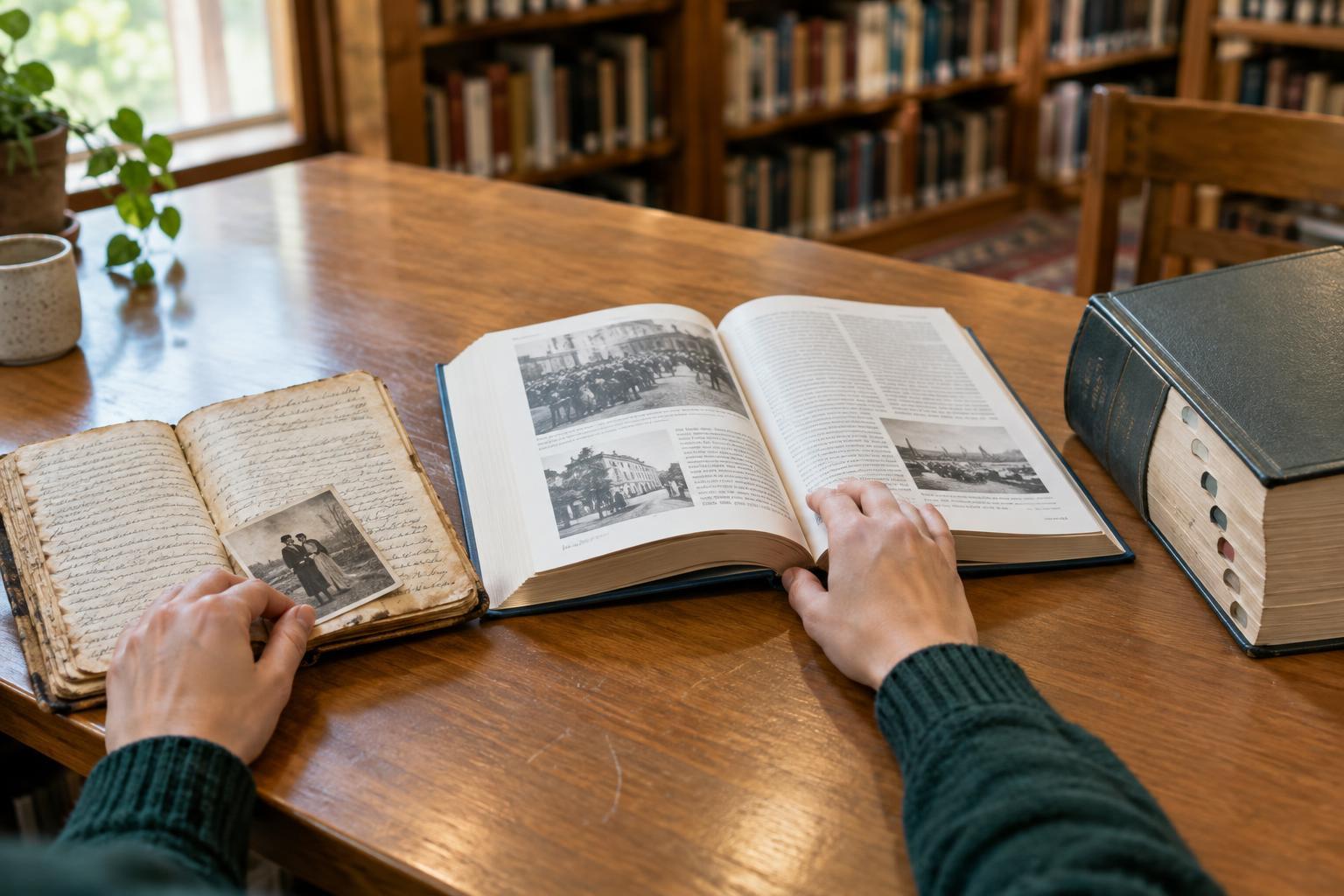
Information LiteracyA diary, a history book and an encyclopedia can all help answer a question, but they do different jobs. Learn how to tell primary, secondary and tertiary sources apart—and how to use them together without mistaking a useful starting point for the whole story.
Read article · 4 min↗

Information LiteracyA call number is more than a book’s address. Learn how to read the catalog clues, follow a spine label, and use nearby shelves to discover books you might not have searched for.
Read article · 4 min↗
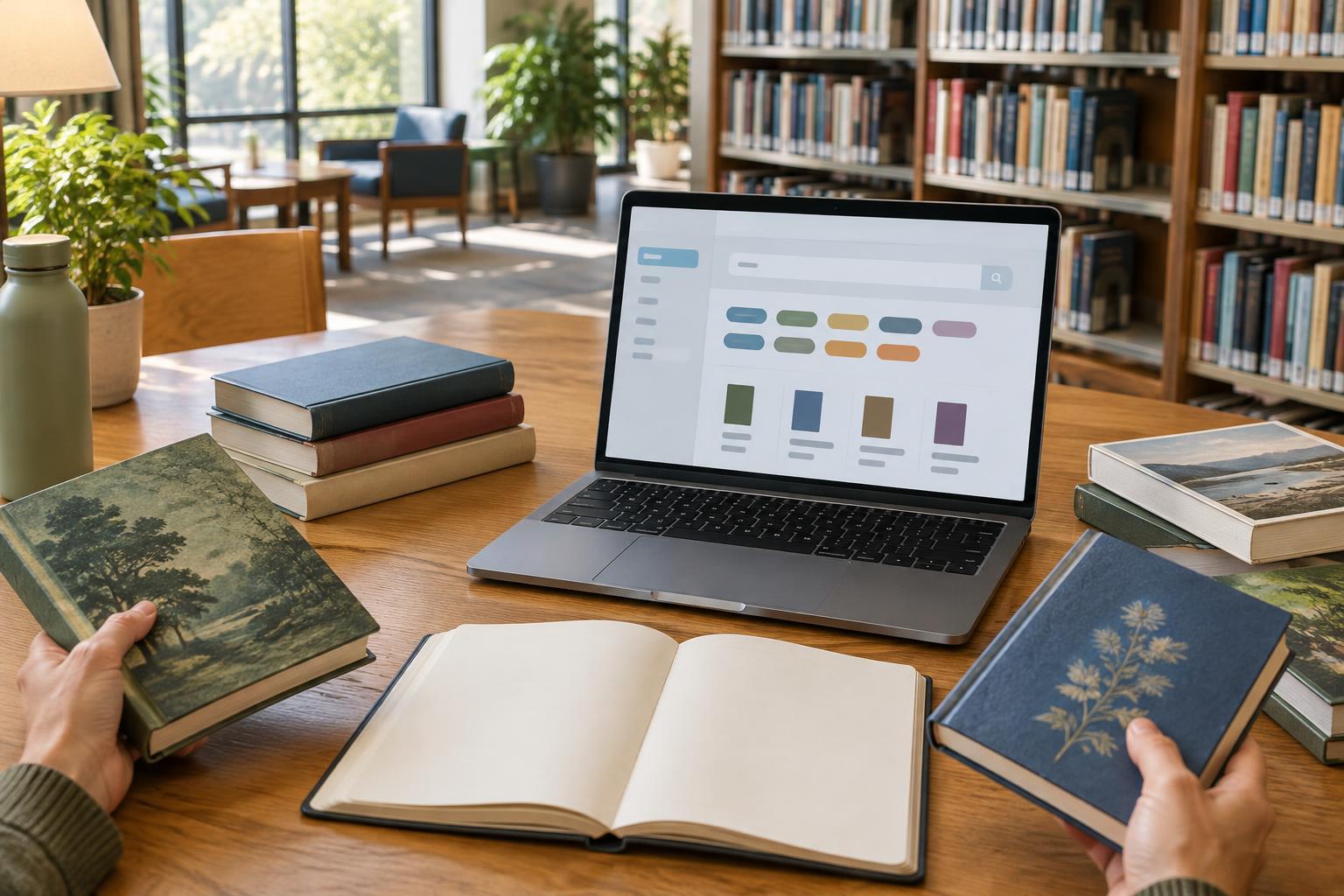
Information LiteracyA library catalog may describe your topic differently from the words you first type. Learn how to use everyday keywords and subject headings together to uncover books you might otherwise miss.
Read article · 4 min↗
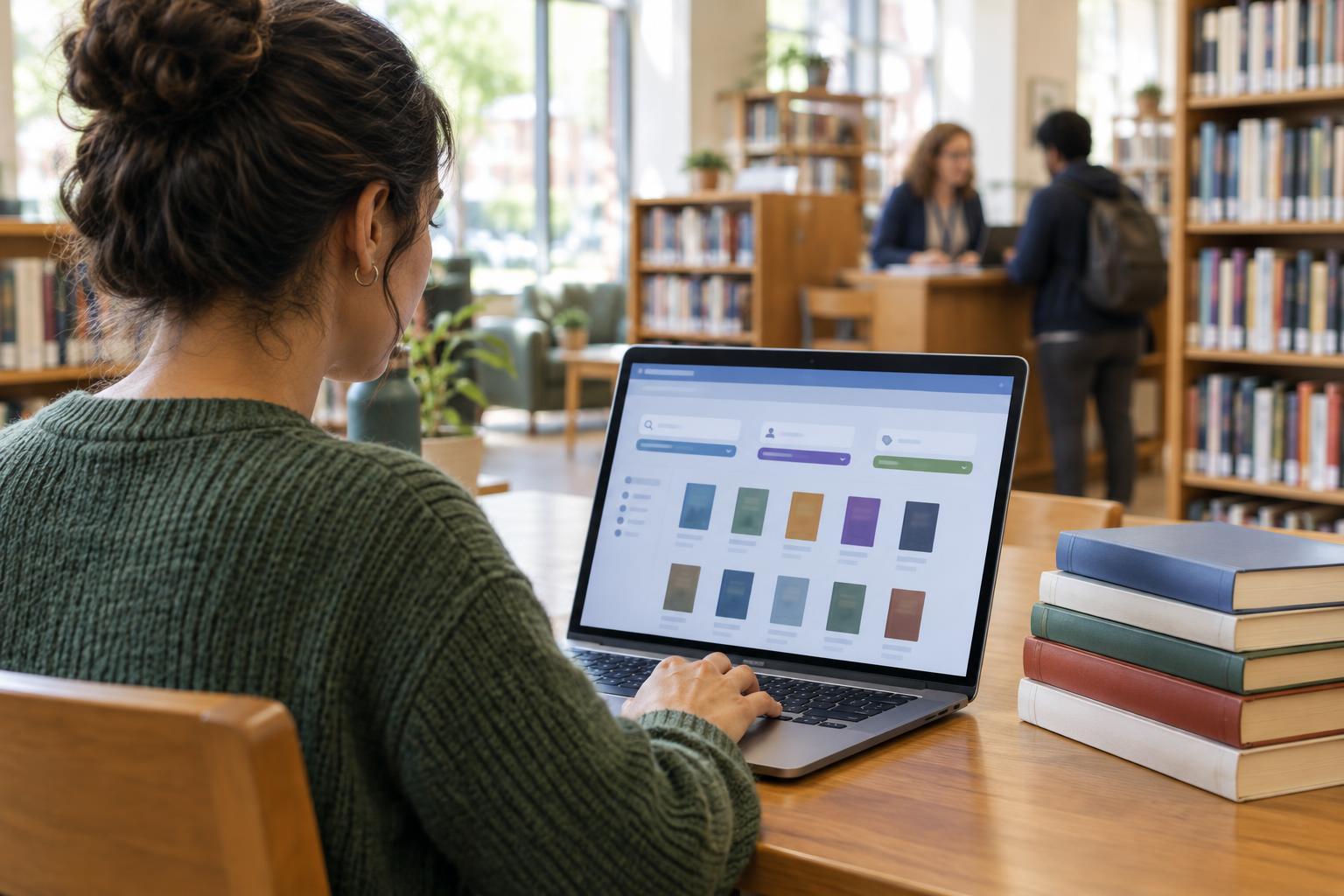
Information LiteracyA library catalog is more than a list of books. Learn when to search by title, author or subject, how to read the results, and what to try when the book you want does not appear.
Read article · 4 min↗

Information LiteracyA search engine, a library catalog and a database can all help you find information, but they answer different questions. Here’s how to choose a starting point, switch tools when needed and decide whether a result is useful.
Read article · 4 min↗
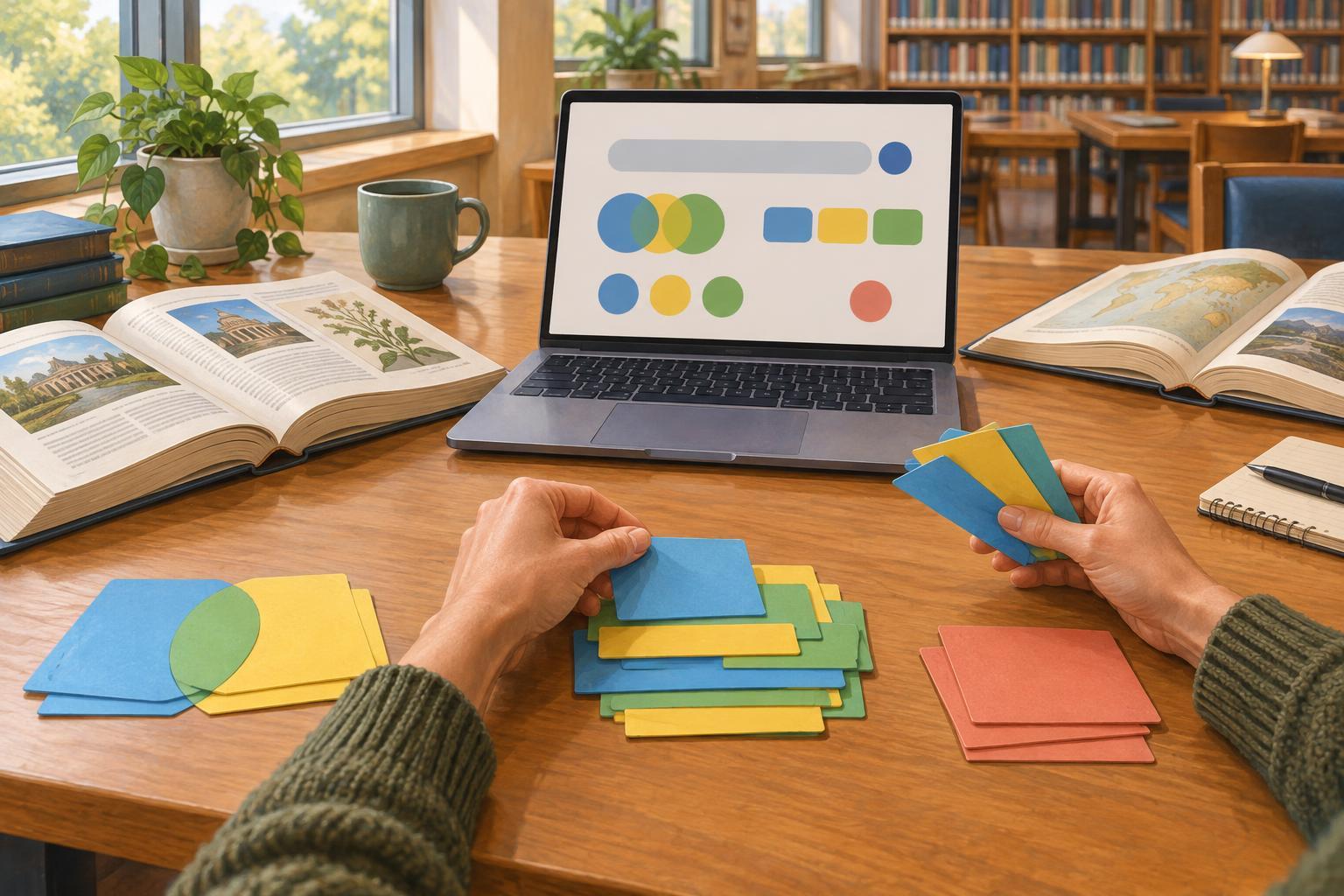
Information LiteracyA few small words can make a big difference to a search. Learn how AND, OR and NOT help you combine ideas, explore alternative terms and set aside unwanted results in library catalogs and research databases.
Read article · 4 min↗

Information LiteracyAn unhelpful search result does not mean the information is missing. Learn how to pull useful keywords from a question, try synonyms and related terms, and use the results you find to plan a better search.
Read article · 4 min↗