Start with the books, not the bookcase
Before measuring a wall or shopping for shelves, look at the books you already have. Which ones do you reach for often? Which are waiting to be read? Which do you keep because you love them, and which have simply stayed because there was nowhere else to put them? A home library can be a whole room, one sturdy shelf or a few small collections placed where they are useful.
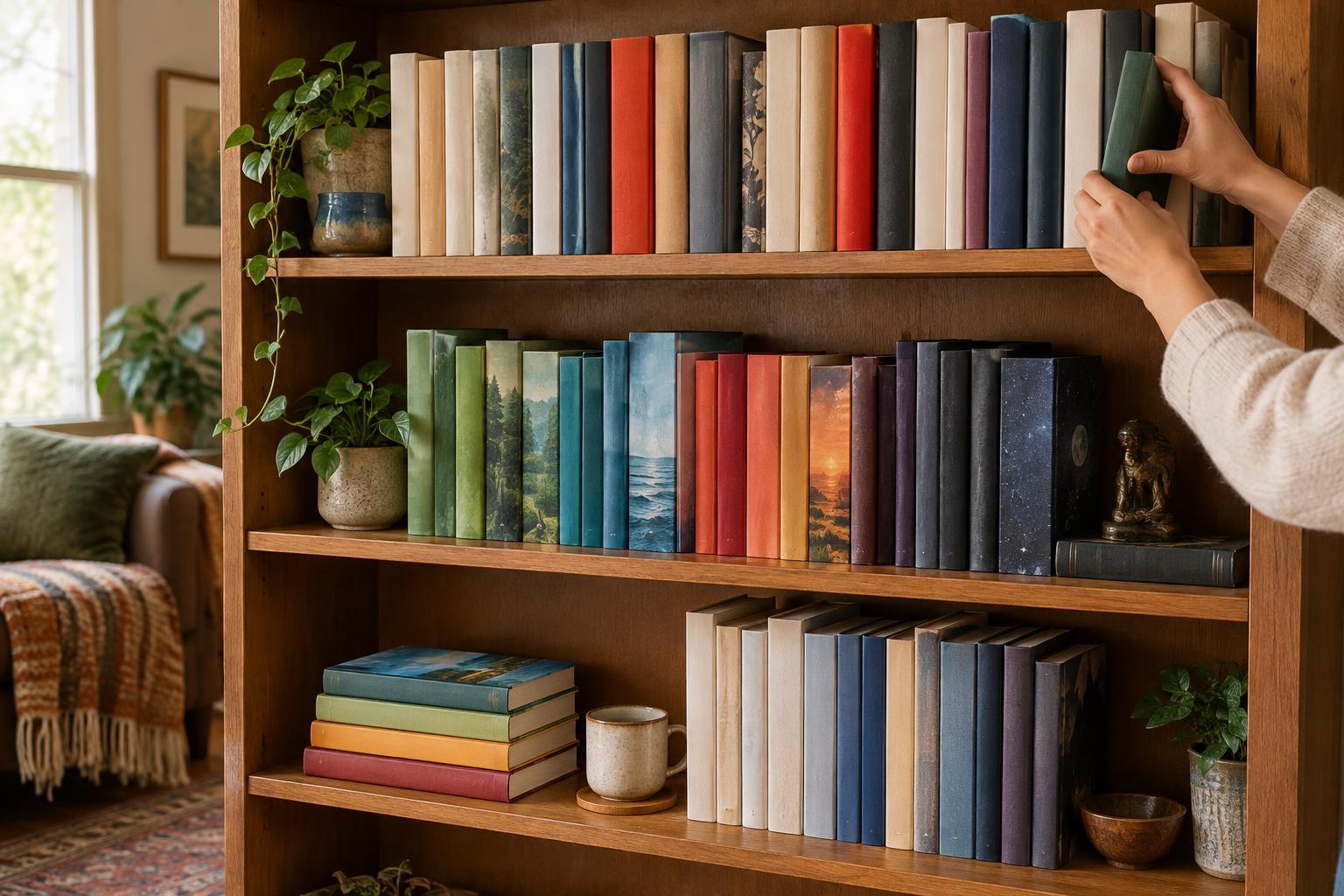
Make a rough inventory by gathering books from desks, bedside tables and other corners. You do not need a detailed spreadsheet: a few piles can show you how much space you need. Try separating current reads, frequently consulted books, books you want to keep, and books you are ready to pass along. Leave borrowed books in their own group so they do not disappear into the collection. If you share your home, ask other readers which books they want to keep within easy reach.
Let your reading habits choose the location
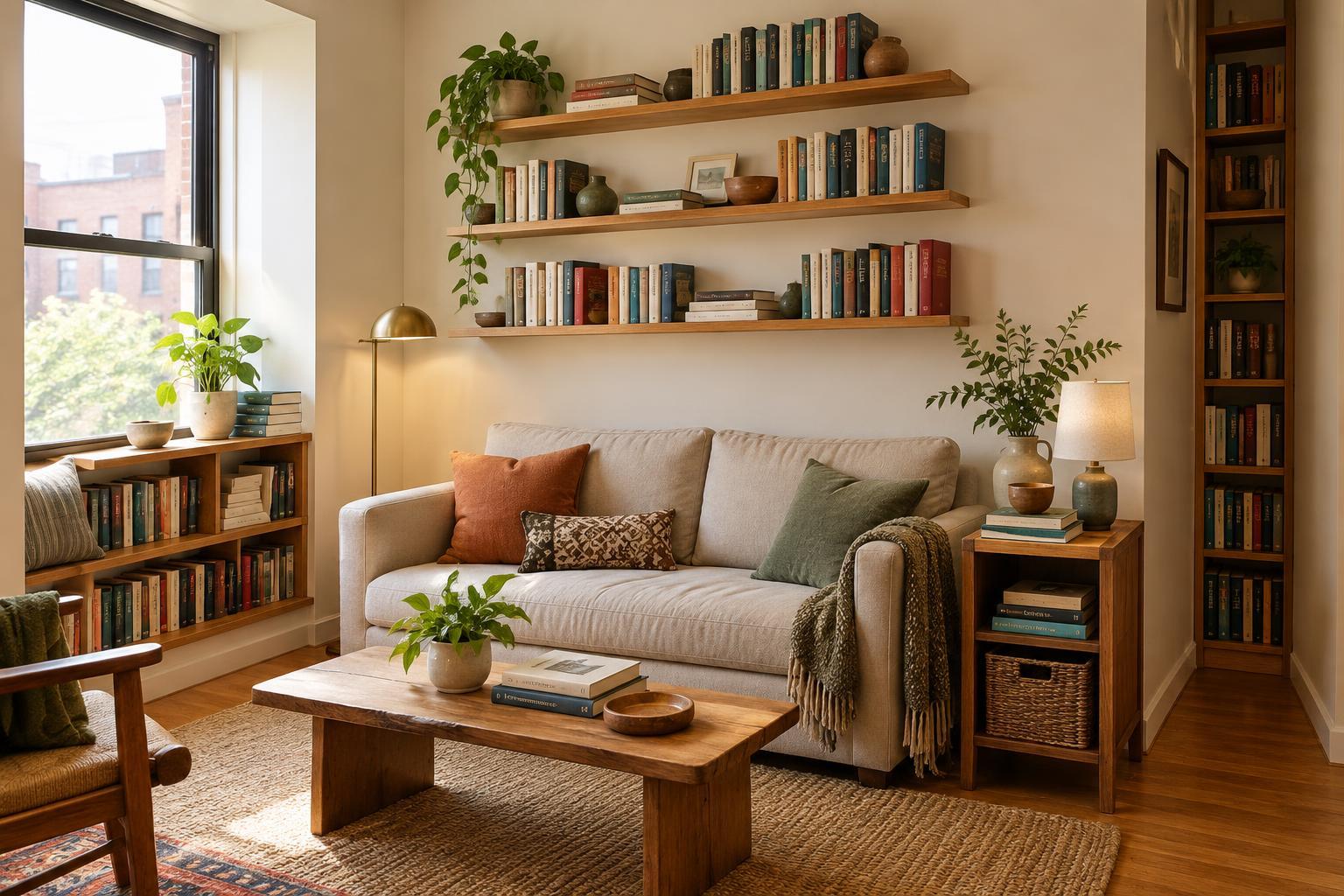
The most useful library is often close to where reading already happens. If you read before bed, a modest bedroom shelf may serve you better than an impressive bookcase across the house. If children choose stories in a shared living area, low, reachable storage can make browsing easier. Cookbooks may belong near the kitchen, provided they are kept away from splashes and heat.
Walk through your space with a tape measure. Note the width and height available, but also check doors, walkways, outlets and the space needed to pull out a chair. A narrow bookcase might fit a wall yet make a passage awkward. Look at the light, too: a pleasant reading spot needs enough light to see comfortably, while books are better kept out of prolonged direct sunlight, which can fade covers and pages. In a damp area, improving storage conditions matters more than squeezing in another shelf.
Set a budget that includes the unglamorous details
Decide what you can comfortably spend before choosing furniture. Include small costs such as shelf supports, bookends, a reading lamp or containers for items that are not books. You may already own furniture that will work. Rearranging a sturdy shelf, clearing a cabinet or adding a small bookcase can be a better first step than buying a matching set.
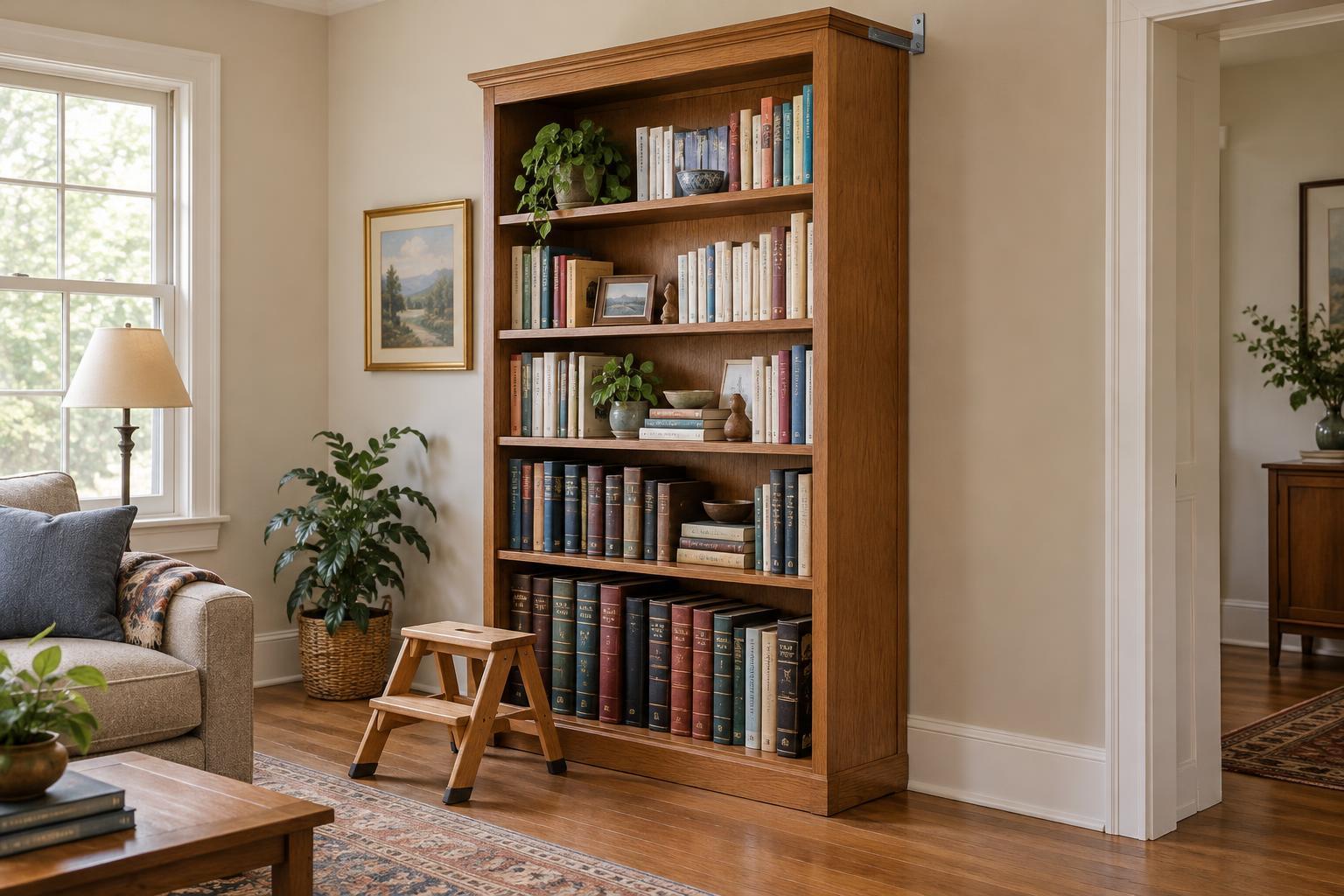
If you are buying storage, compare its dimensions and weight capacity with your books, especially large art books and hardcovers. Check secondhand pieces for stability, damaged joints and shelves that sag. For tall furniture, follow the manufacturer's instructions on anchoring it safely; renters can check what their lease permits before making changes. You can also build your library in stages. Set up enough space for the books you use now, live with that arrangement for a while, and spend more only when you know what is missing.
Organize for finding, not for perfection
A sorting system succeeds when people can put books back without much thought. You might group them by subject, author, reader or purpose. A shelf for books in progress and another for favorites can be more helpful than a meticulous arrangement that nobody maintains. If several people use the collection, give each reader a small area or agree on shared categories that make sense to everyone.
Put frequently used books at a comfortable height and heavier volumes on lower shelves. Keep children's choices where children can browse them safely. Consider leaving a little open space rather than packing every shelf edge to edge: it makes books easier to remove and gives new arrivals a place to go. Labels can help in a shared collection, but they are optional. The test is simple: can you find the book you want and return it without turning the room upside down?
Make room for change
Reading habits change, and a home library should be allowed to change with them. Keep a small spot for library loans, gifts and books you have not decided to keep. When that spot fills, revisit what is on the shelves before adding storage. Passing along a book you no longer want can make room for one you will actually read.
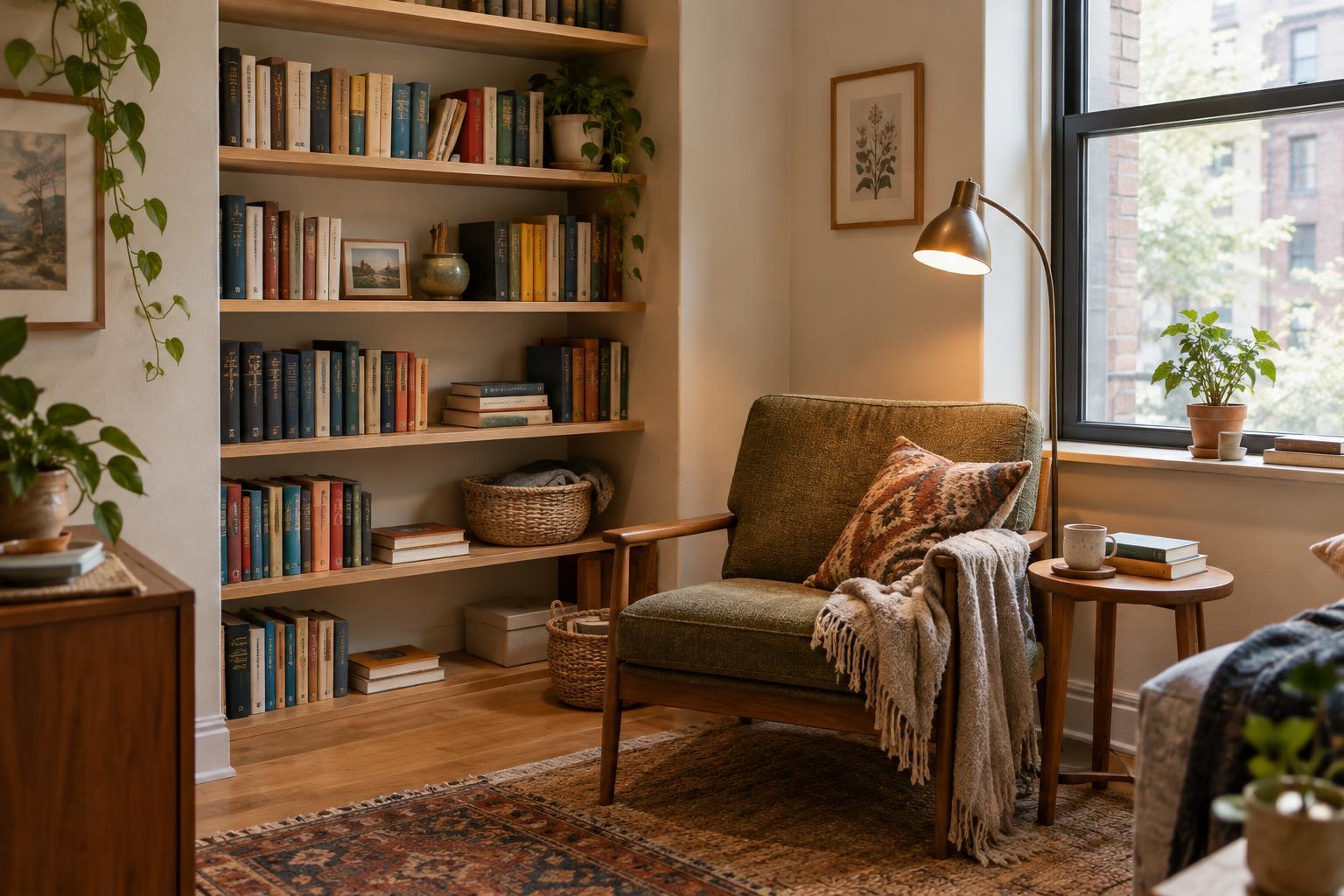
Finally, add comfort without letting decoration crowd out the books. A chair, a lamp and a place to set down a cup may be enough to make a corner inviting. You do not need to own every book you enjoy, or display every book you own. A home library works best when it supports your reading life as it is now, with enough flexibility to welcome whatever you want to read next.