Start with one story detail
The best starting point is often the detail readers keep talking about: a character’s difficult choice, a place they wish they could visit, or a problem they wanted to solve differently. Ask, “What stuck with you?” and listen before proposing an activity. A child might remember a tiny side character rather than the hero; an adult group might be drawn to the atmosphere of a town rather than the ending. Either response gives you something to work with.
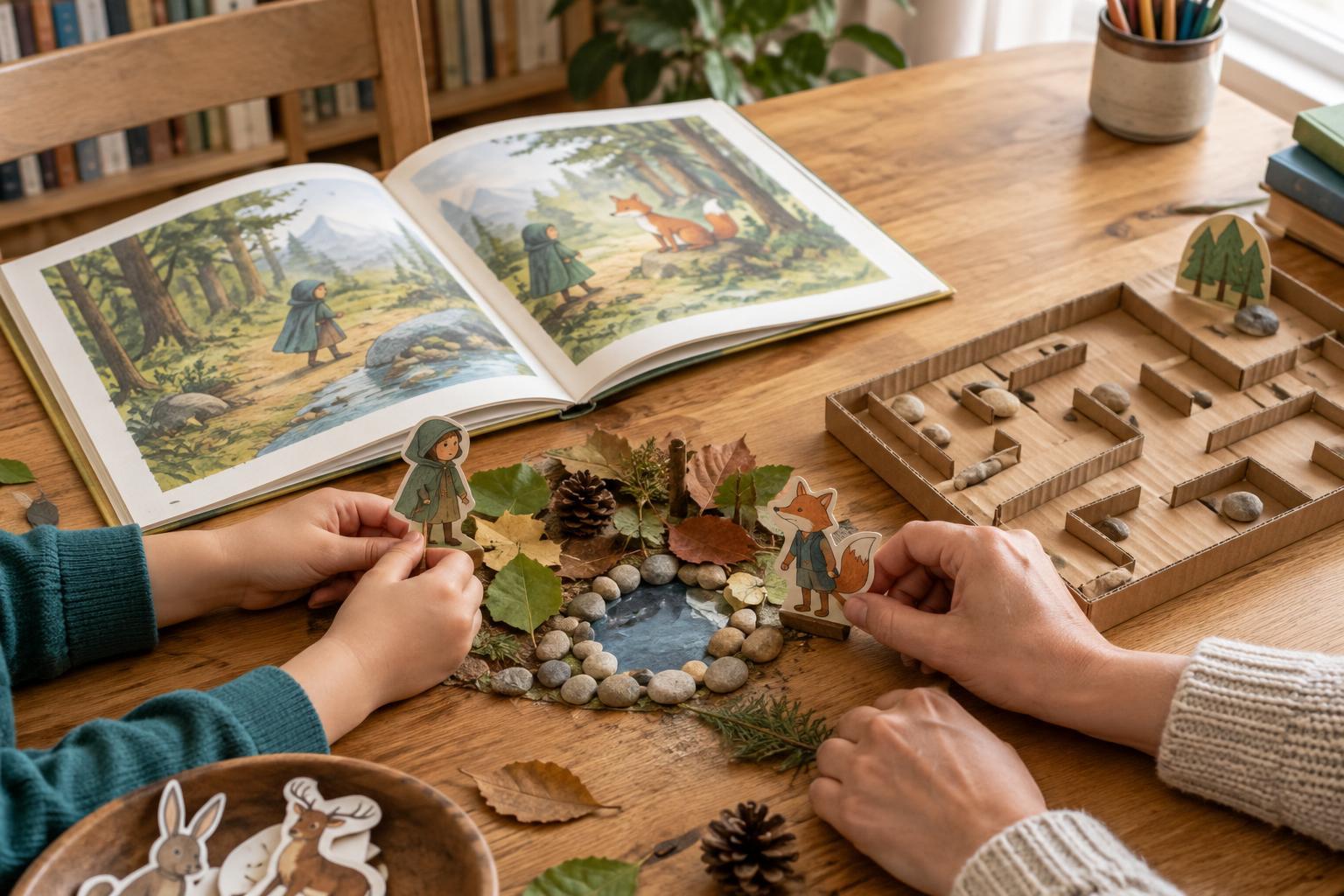
Choose one detail rather than trying to recreate the whole book. Then decide what participants will do with it. They could make something, act out a possibility, map a place, or test an idea from the story. Keep the invitation open enough for different interpretations. “Design a useful object for this character” leaves more room for thought than “Copy the object pictured on the cover.”
Use characters to explore choices
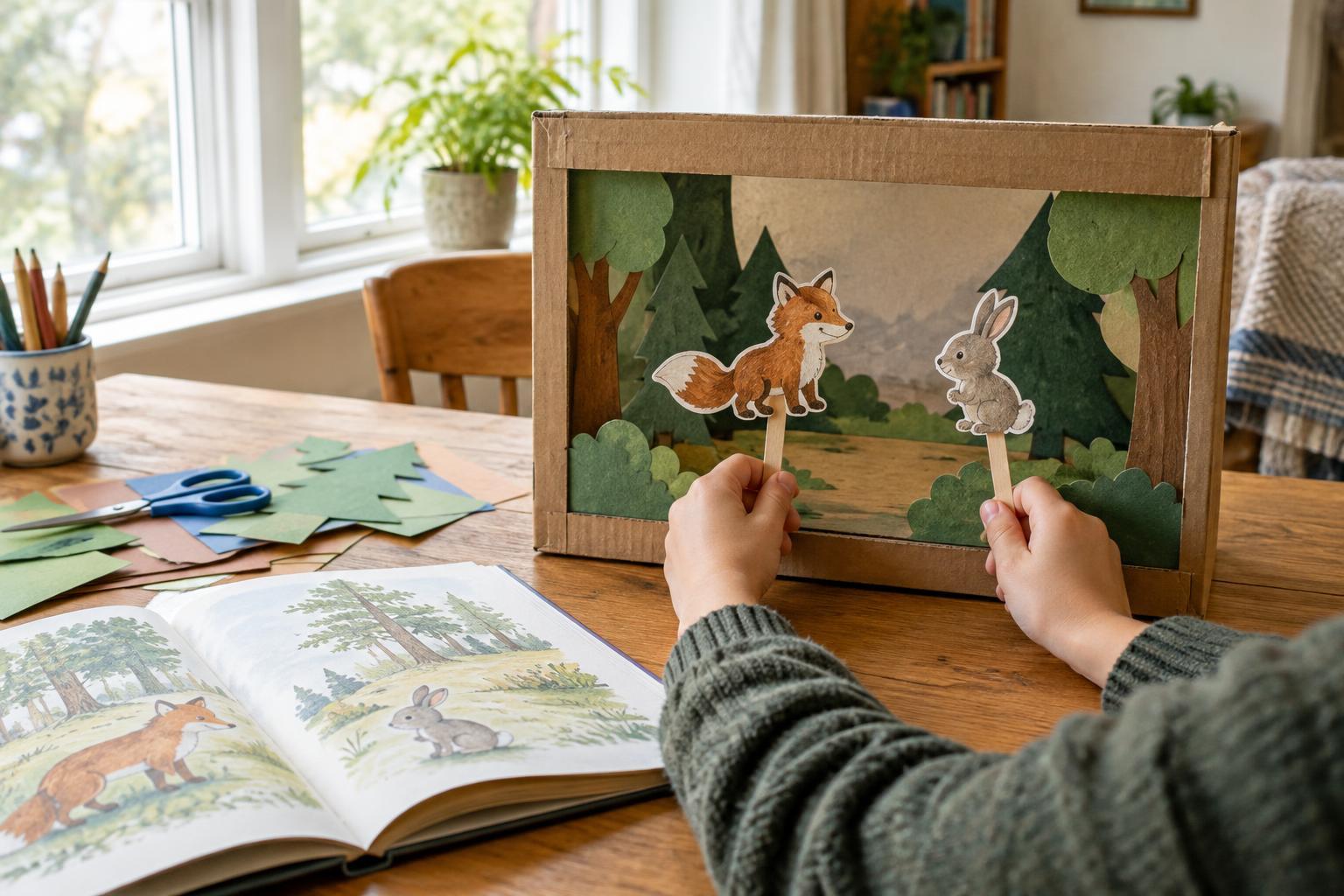
Character-based activities work well when a book raises questions about wants, worries and relationships. Invite readers to pack a small paper suitcase for a character, choosing three things the character would take and explaining why. Or make a two-sided card showing what a character says on one side and what they may be feeling on the other. The aim is not to find the single correct answer; it is to support an interpretation with moments from the text.
For a group, try an imaginary advice desk. Each person writes a question a character might ask at a particular point in the story, then someone else offers a response. Identify that point first so the advice does not reveal later events to readers who are still partway through. Younger participants can draw their answers or speak them aloud. Readers who prefer not to perform can contribute by writing, arranging picture cards or simply discussing their choices.
Turn settings into places to explore
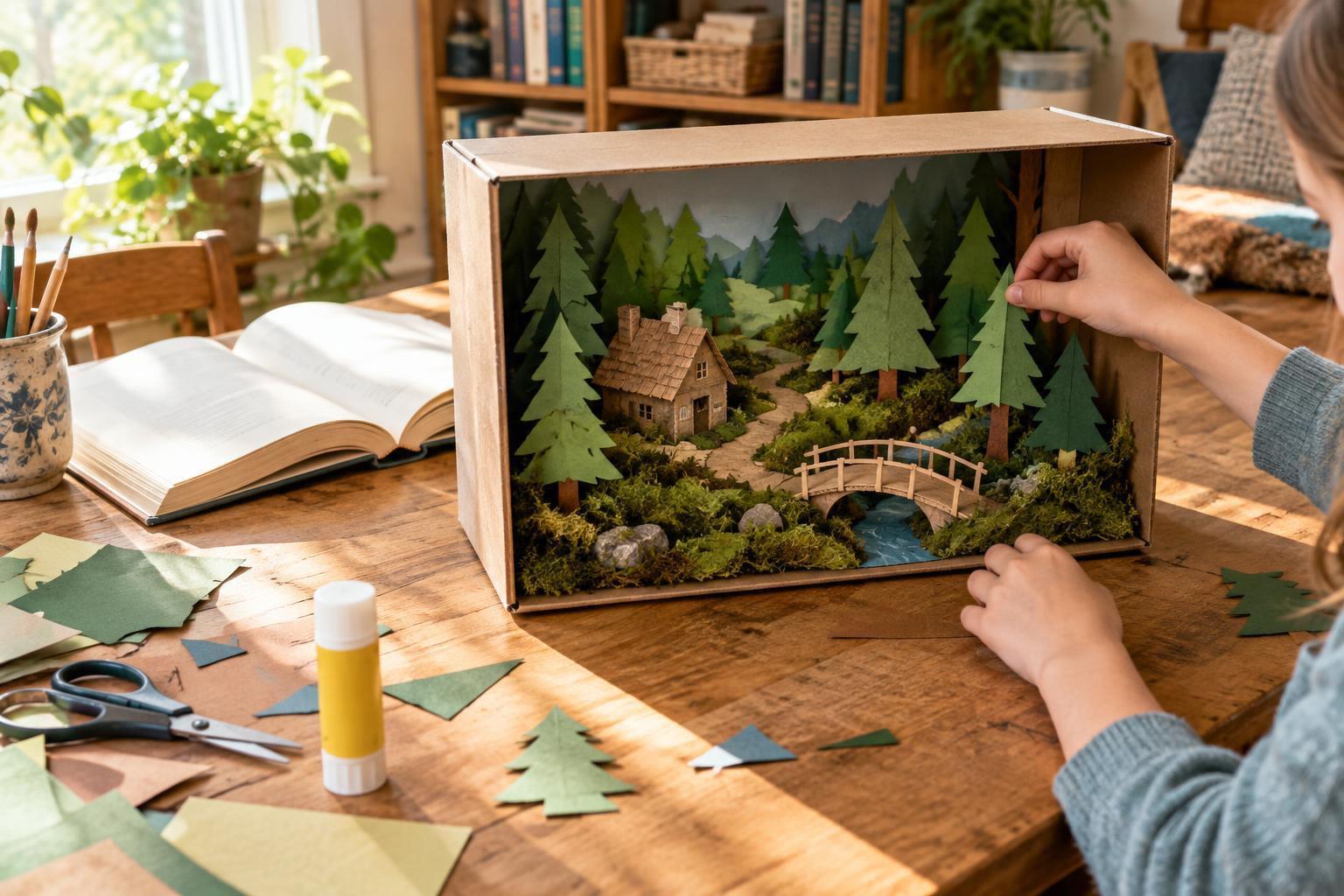
A setting can become a map, soundscape or small model. Ask which places matter to the story and what a visitor might notice there. Readers might sketch a route a character takes, build a room from reused boxes, or list the sounds that would be heard in a busy market, quiet garden or imagined world. These activities encourage close attention without requiring everyone to be confident at drawing or crafting.
Leave space for invention, but distinguish details found in the book from details readers have added. A map could use two colors: one for places mentioned in the text and another for plausible additions. This simple choice prompts useful questions. What does the author describe clearly? What must readers picture for themselves? How might the story feel different if the same event happened somewhere else?
Let the plot become a problem to solve
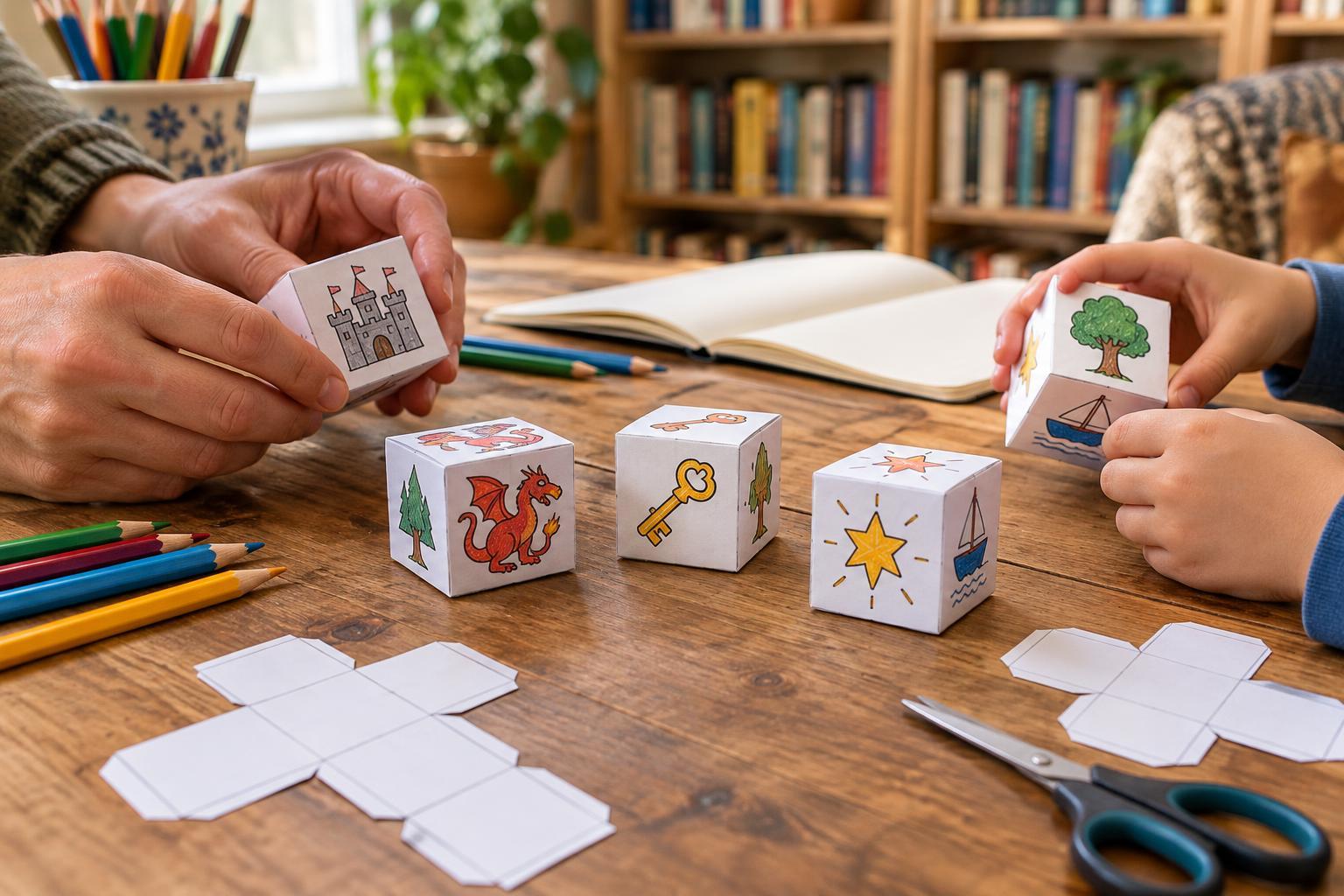
Plot-based activities can begin at a turning point. Pause before a decision and ask participants to propose two possible next steps, including what each might cost the character. They could draw a branching path, write a short alternate scene, or build a simple prop that might help with the problem. Afterward, compare their ideas with the book if everyone has finished it. If not, treat the activity as a prediction and save the comparison for later.
Keep the task connected to the story rather than turning it into a test of who remembers the most facts. A reader who suggests an unlikely solution can still explain what it reveals about the character or the story’s rules. Questions such as “What would have to change for that to work?” and “Who else would be affected?” make room for playful ideas and thoughtful discussion.
Plan for participation, then return to the book
Before gathering supplies, decide how long the activity should take and what a finished version might look like. A five-minute sketch and a longer construction project can explore the same idea. Favor familiar, easy-to-handle materials when possible, and offer a no-making option such as talking through a design. If an activity involves movement or tools, adapt it to the space and the people taking part. The goal is engagement with the story, not a polished result.
End with a gentle return to the text. Ask participants to point to a passage that inspired their work, share one choice they made, or name a question they would ask the author or a character. People should be free to pass or to change their minds as they listen to others. An activity succeeds when it gives readers another way into the book—and perhaps a new reason to open it again.