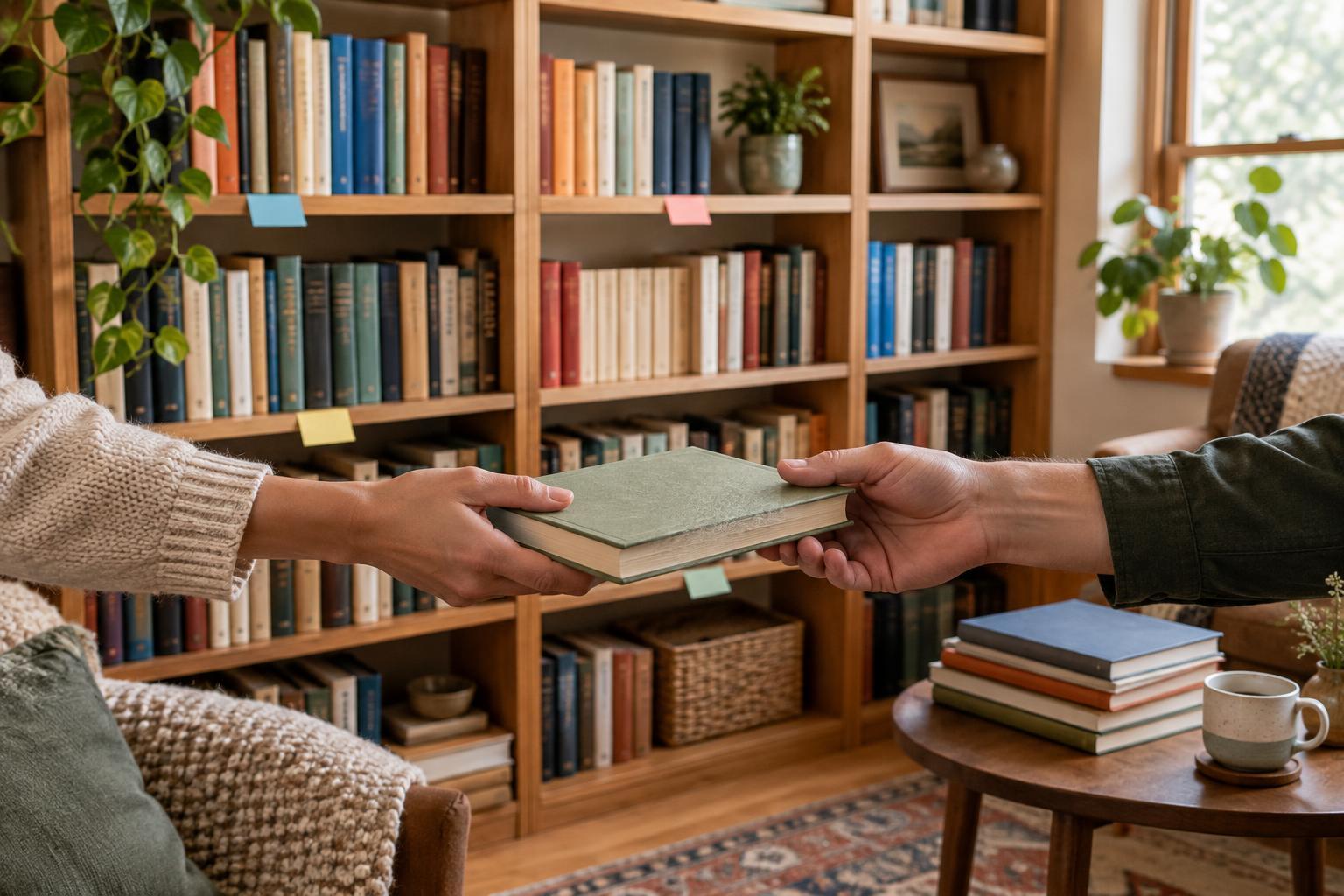
Start with the place you already have
A reading nook can be one end of a sofa, a chair beside a bookcase or a cushion in a quiet corner. Before moving furniture, notice where you naturally settle with a book. Look for a place that feels reasonably calm, has room for a lamp and lets you sit without blocking a doorway. If your household is busy, a nook does not have to be silent; a little distance from the busiest route through the room may be enough.
Check how the spot feels at the times you expect to read. A sunny window may be lovely in the morning but cast glare across a page later in the day. A corner that feels cozy in winter might get uncomfortably warm beside a radiator. Try the space with a book for twenty minutes before committing to a layout. That small test can reveal more than a carefully planned furniture arrangement.
Give the page its own light
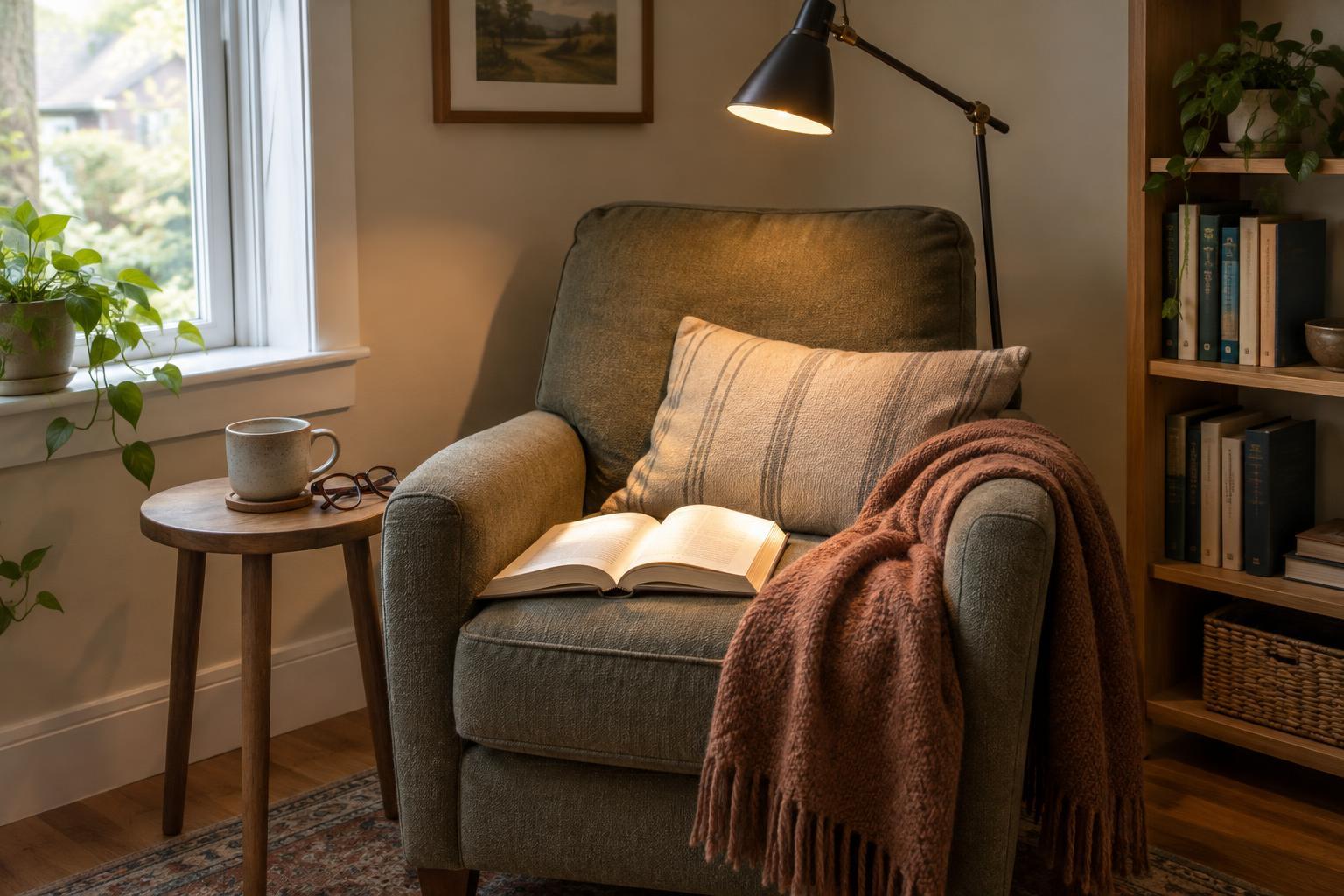
General room lighting helps you move around, but a reading nook benefits from a lamp aimed at the book. Choose one you can position so the page is easy to see without looking directly at an exposed bulb. A floor lamp beside or slightly behind the chair works well when there is no side table. If you use a table lamp, check that its shade sends enough light toward your lap rather than only lighting the wall.
An adjustable arm or shade makes it easier to switch between a paperback, a large illustrated book and a notebook. If you usually read with an e-reader, you may want less direct light than you use for print. Notice whether your hand or head throws a shadow across the page, then move the lamp to the other side or raise it a little. Keep cords out of walking paths, and follow the lamp maker’s guidance on bulbs and placement.
Choose a seat for real reading sessions
The best reading chair is not necessarily the deepest or softest one. It should let you settle in, shift position and get up comfortably. Sit in a candidate chair with a book rather than judging it from a quick perch. Can you rest your back? Do your feet reach the floor, or would a footstool help? Are the arms at a useful height for holding a book? A firm cushion or a small pillow can make a chair you already own more pleasant.
If floor seating suits you, try a supportive cushion and a backrest against a wall. For shared spaces, a sofa corner may offer more flexibility than a dedicated chair. A throw can add warmth, but keep the arrangement simple enough to use without rebuilding a nest every time. Comfort changes from person to person and even from book to book, so make room to adjust rather than aiming for one perfect posture.
Keep reading essentials within reach
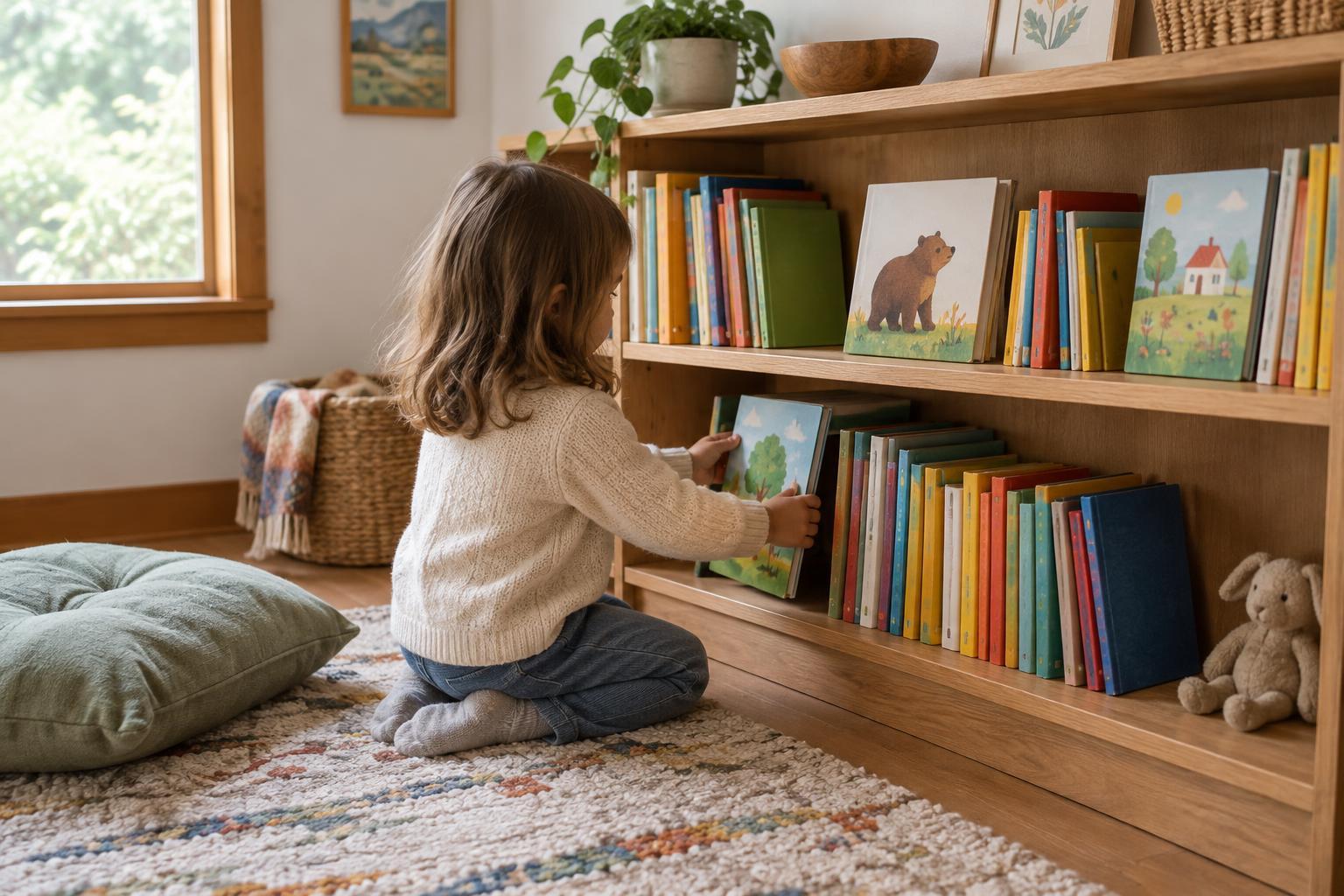
A small surface near the seat makes a nook easier to return to. It might hold a current book, a bookmark, glasses, a notebook and a drink. A sturdy side table, a narrow shelf or a basket can all work; choose what fits the space without crowding your legs or the route to the chair. If children use the nook, place books they can choose independently at a height they can reach.
Resist the urge to store every book you own beside the seat. A short stack of possible next reads can feel inviting, while a towering pile may make the corner harder to clean and use. Leave some open space for setting a book down. If you use a charging cable for an e-reader or lamp, arrange it so it does not trail across the floor.
Make it welcoming, then let it evolve
Personal touches can make the nook feel distinct without taking over. Try a washable cushion, a favorite print or a small display of books with covers you enjoy. Where space is limited, the lighting and seat matter more than decorations. A nook that is easy to sit in on an ordinary Tuesday will get more use than one that only looks good when everything is arranged just so.
After a week or two, pay attention to what you reach for and what gets in the way. Move the lamp if pages remain shadowed, swap a cushion that slides around or relocate a basket you keep tripping over. A reading nook is not a finished project; it is a practical invitation to pause, open a book and stay a while.