Start with the story, not the supply list
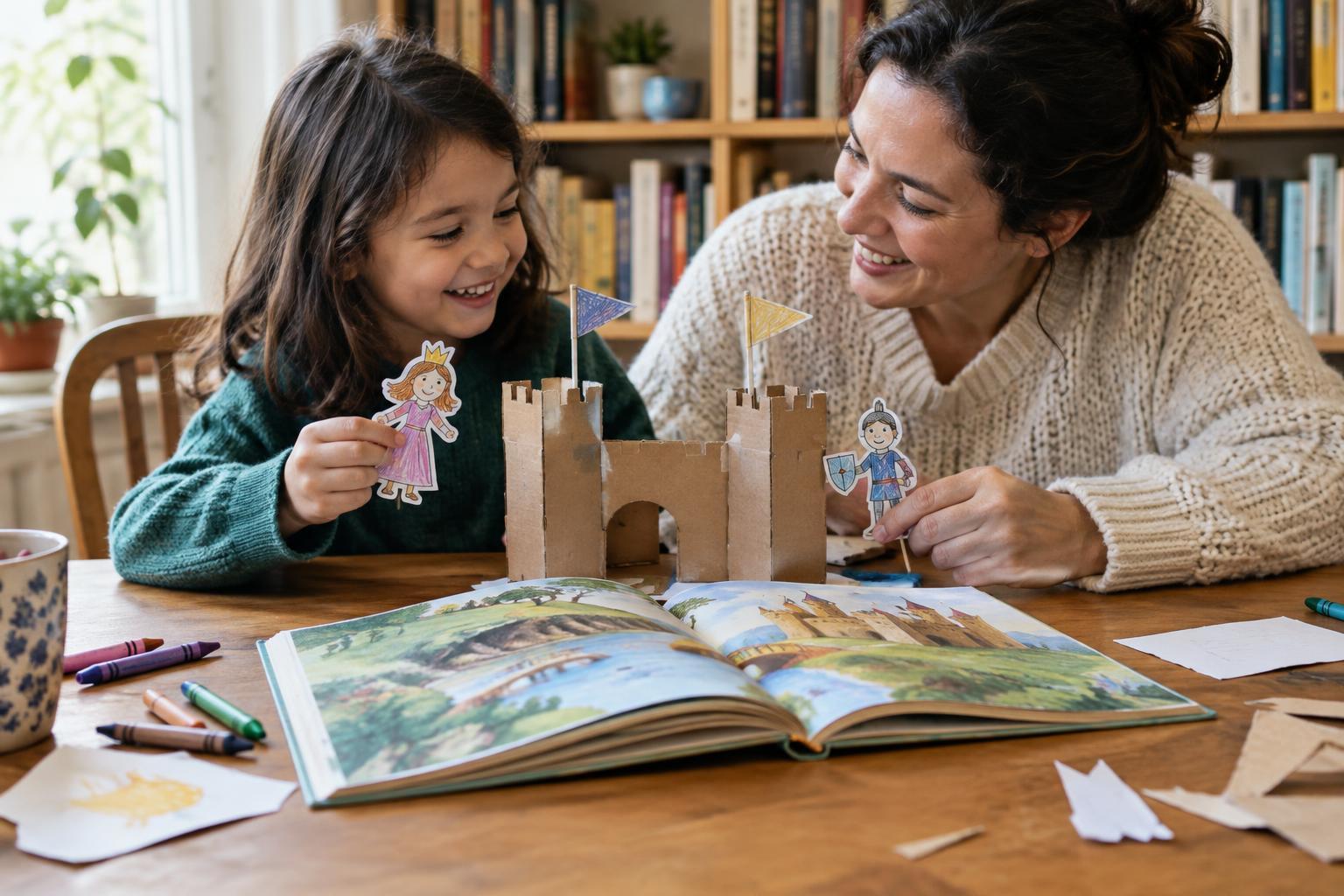
A craft can help readers spend more time with a story. A map might trace a character’s journey; a paper creature might bring an imagined world into view. The value lies in the choices readers make, not in whether the finished piece matches a sample. Before gathering supplies, ask what the activity is meant to explore: a setting, a character, a problem or a moment of surprise.
Once you know that purpose, you can loosen the instructions. If a book suggests building a miniature house, the essential task might be deciding what its inhabitant would need. Readers could draw a floor plan, arrange a few objects on a tray or fold a paper doorway. Each version invites the same conversation, even though the finished objects look different.
Choose materials that can do several jobs
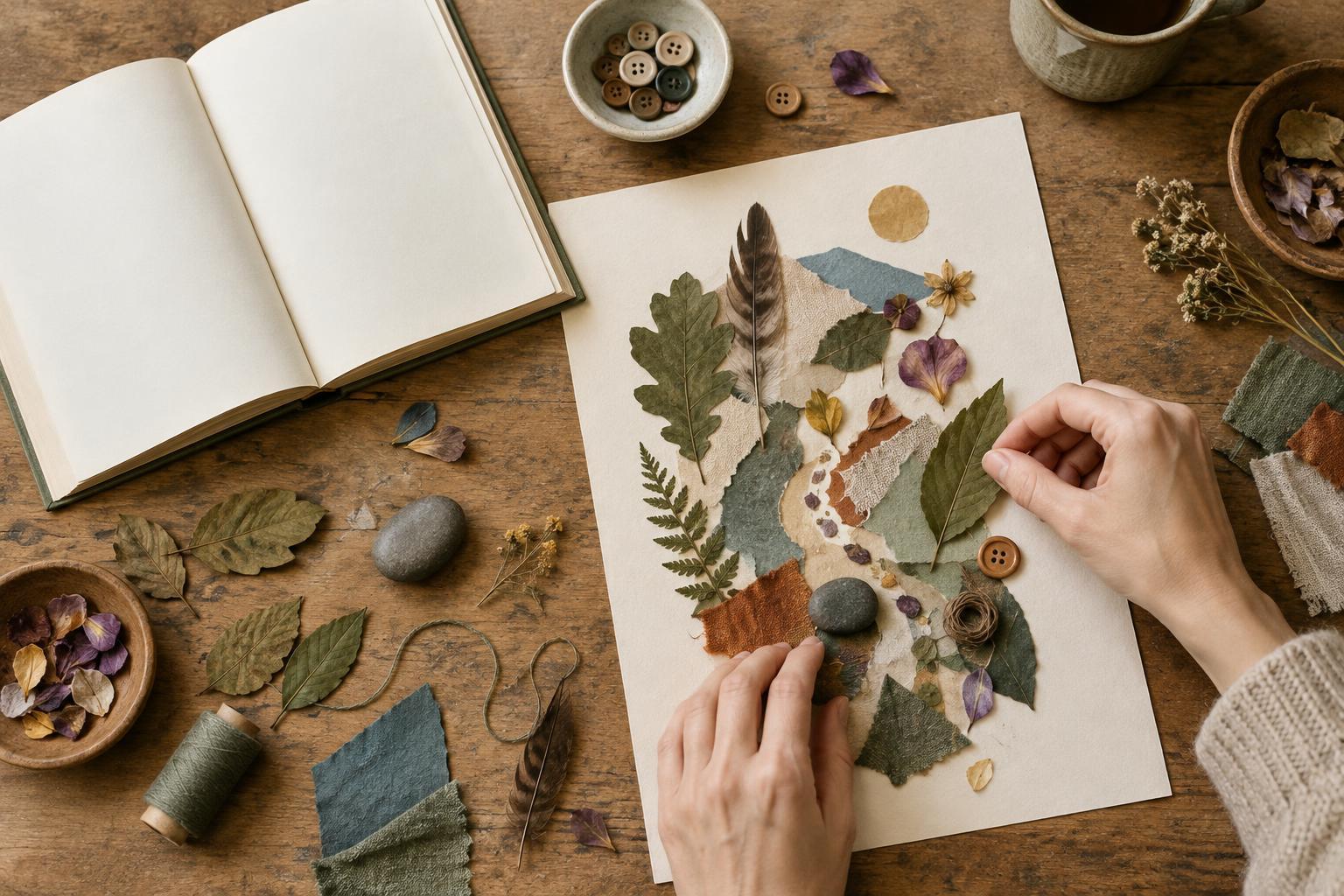
Begin with what is already available: scrap paper, pencils, envelopes, clean packaging and reusable household objects. A piece of paper can become a character card, a puppet, a sign or a tiny stage. Torn shapes can stand in for cut ones, and pencil patterns can replace decorative supplies. If an activity calls for a specific material, ask what that material does. Does it add color, hold pieces together or give an object shape? Then look for another way to do that job.
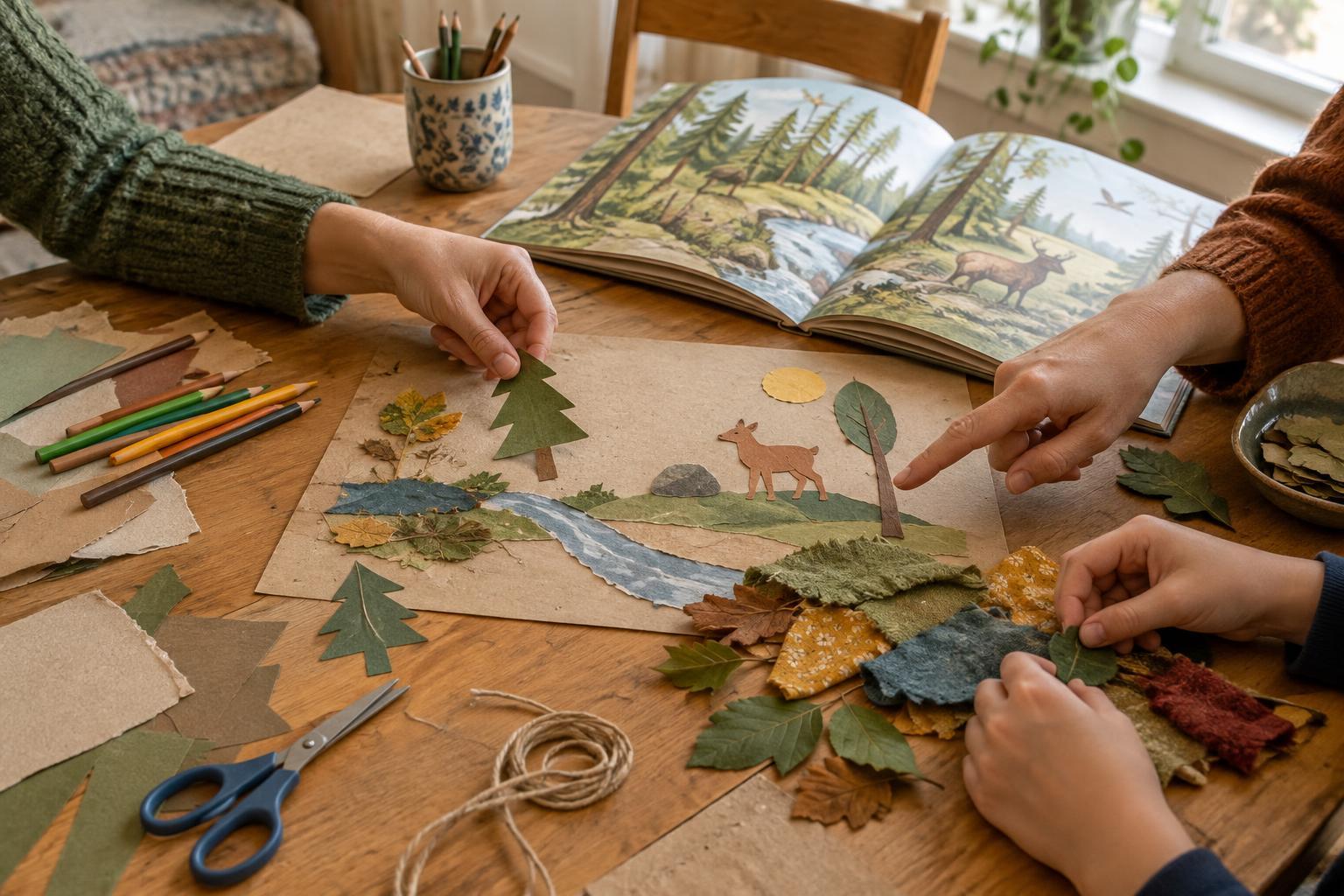
For example, readers making a scene from a book do not need a shoebox, paint and miniature figures. They can sketch the scene on one sheet, place labeled paper shapes on a tabletop or describe where each element would go. Keep any optional extras truly optional. A reader should not need glitter or a specialty tool to take part in the main activity.
Make a small workspace feel sufficient
A compact project can work on a desk corner, a tray or a clipboard. Set a clear boundary for the activity and choose pieces that fit inside it. Instead of constructing a large story setting, invite readers to make one important object from it: a key, a ticket, a window view or a character’s note. That smaller focus can lead to a surprisingly detailed discussion of why the object matters.
For shared activities, divide a big project into small contributions. One person might draw a place, another write a sign, and another choose the order of the scenes. The pieces can be viewed together without being permanently attached. Keep a container nearby for works in progress so the surface can be cleared quickly. A photograph or a brief written description can also preserve a temporary arrangement when storing the finished craft is impractical.
Offer ways to participate without a fixed set of movements
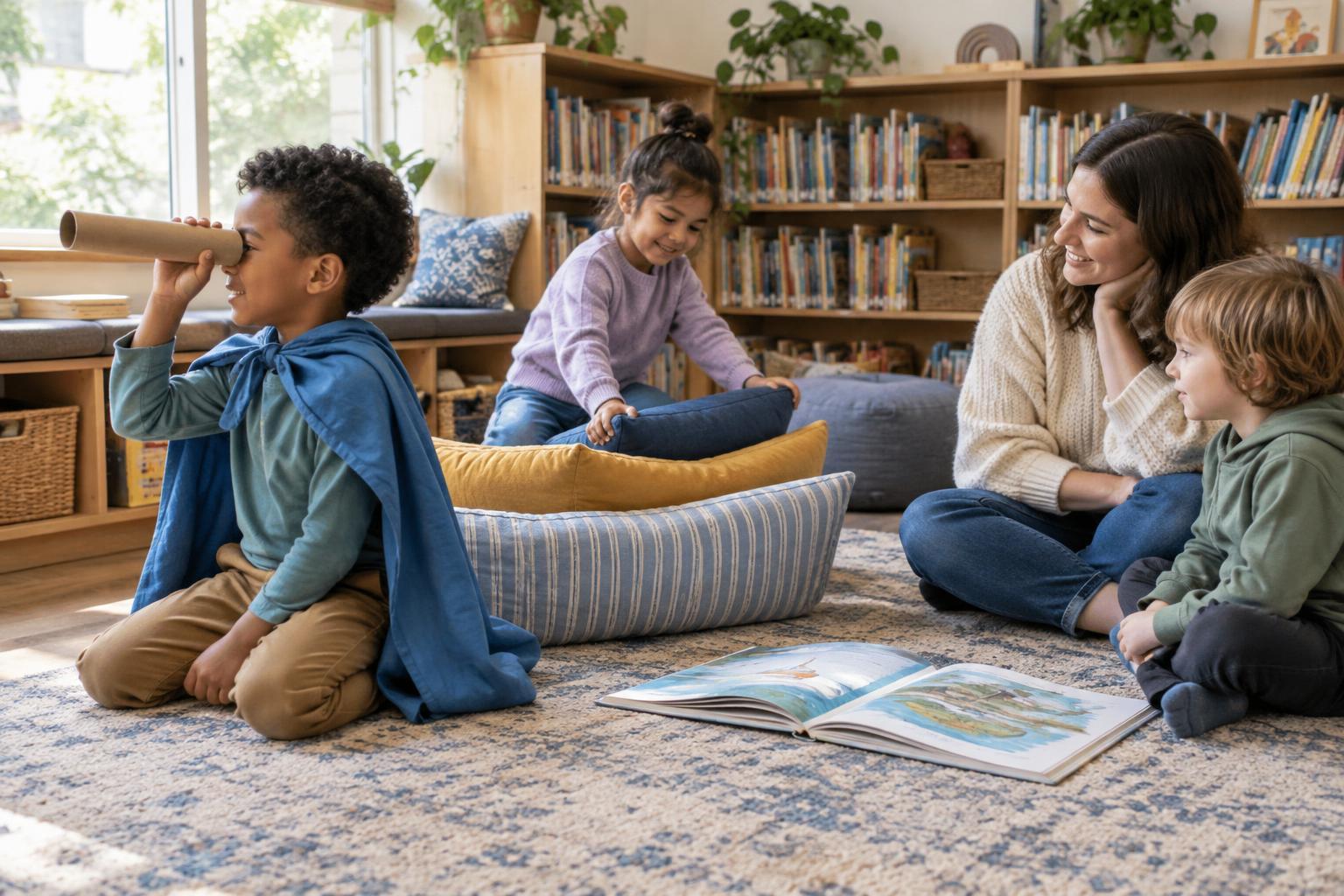
Craft directions often assume that everyone can cut, grip, reach or sit at a table in the same way. Instead of making one method the default, offer choices from the start. A reader might point to where a piece should go while a partner places it, use larger paper shapes, dictate a label or select objects to represent parts of a scene. Drawing, arranging, speaking and writing can all be meaningful ways to make a story response.
Ask participants what would make the activity comfortable and enjoyable rather than guessing what they can do. Put frequently used materials within easy reach, allow time to pause, and let people choose whether to work alone or with someone else. Avoid turning a partner’s help into taking over: the reader’s decisions should still guide the work. These choices can benefit a group with varied ages and preferences, not only someone who has requested an adjustment.
Keep the invitation open-ended
A flexible craft begins with a prompt, not a required result. After reading a story, try asking, “What would you put in this character’s pocket?” Readers might make a paper pocket with drawings inside, arrange a few found objects or write a list. Follow up by asking why they chose each item. The conversation connects the activity to the book, whether the reader spent five minutes or an afternoon making it.
Before an activity begins, test its flexibility with three questions: Can it be made with ordinary supplies? Can it fit in the available space? Can someone take part without performing every physical step? If the answer to any is no, simplify the result or offer another route to it. A story craft succeeds when readers have room to imagine, choose and share—not when everyone makes the same thing.