Begin with a book, not a destination
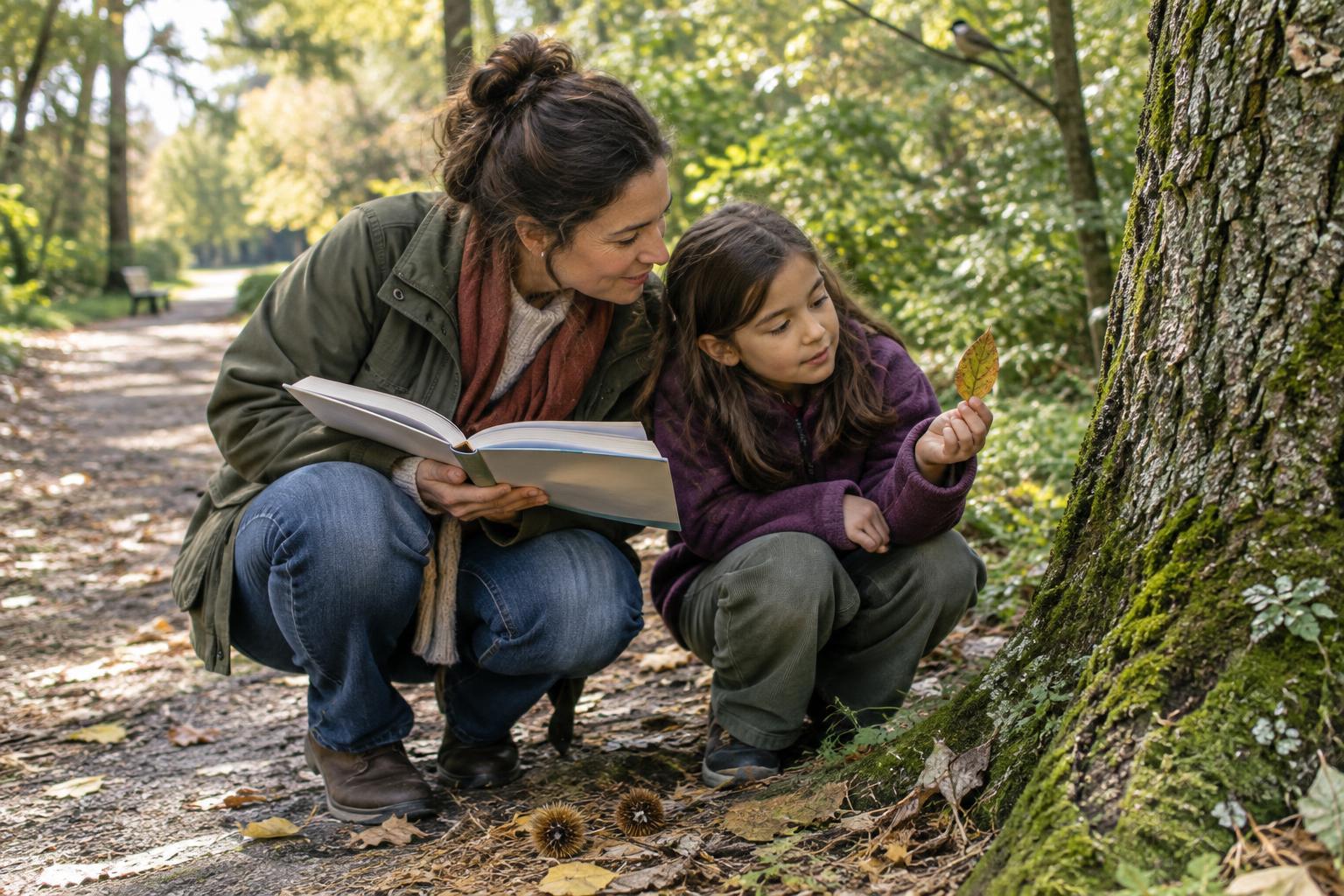
A story walk is a simple activity: read something, go outdoors, and notice details that remind you of the reading. You do not need to visit a place that resembles the book’s setting. A city sidewalk can prompt thoughts about a forest story; a garden can bring a space adventure to mind. The connection might be a sound, a shape, a problem a character faces or a feeling you had while reading.
Choose a picture book, a chapter from a longer book, a poem or a short story. Before leaving, invite each walker to pick one detail to carry along in their thoughts. Someone might remember a character searching for shelter, the color of a doorway or the way rain changes a scene. If you are walking with children, one detail is plenty. The aim is to make room for curiosity, not to turn the outing into a memory test.
Give your eyes and ears a few prompts
Once outside, start with what is actually there. Notice where the light falls, which surfaces look rough or smooth, and what you can hear when you pause. Then ask a question that links an observation to the book: “Would the character notice that sound?” or “Does this corner feel like the place we imagined?” A connection does not have to be exact to be worth discussing.
Try changing the prompt as you walk. Look for a place where a character could wait, a path that suggests a choice, or an object that might become important in a mystery. For a poem, listen for a rhythm in footsteps, birdsong or passing traffic. For a story set somewhere unfamiliar, notice differences as well as similarities. Saying “this is not how I pictured it” can open a conversation about which details the text supplied and which ones you imagined.
Let different readers lead the way
A good story walk leaves space for different interpretations. One person may see a fallen leaf as a tiny boat; another may notice that it is caught against a drain. Ask “What makes you think that?” and listen to the answer. You can share your own connection without treating it as the right one. The same book may send each reader looking in a different direction.
Walkers who do not want to talk can point, sketch or choose a word to describe a place. Someone with limited mobility can take part from a bench, a doorway, a balcony or a window with an outdoor view. A short route with time to pause may offer more to notice than a long route you rush through. If you are walking as a group, agree on a comfortable pace and let everyone know that noticing something small counts.
Keep the outing easy and considerate
You need little equipment. Bring the book if it is convenient, or take a note with a few details you want to remember. A small notebook can hold sketches and questions, but it is fine to walk empty-handed. Choose a familiar, suitable route, pay attention to crossings and weather, and follow the rules of any place you visit. Leave plants, stones and other outdoor finds where they are unless collecting is clearly permitted.
Resist the urge to find an example for every page. If a walk takes an unexpected turn because someone spots an interesting shadow or hears an unfamiliar sound, follow the observation for a while. It may lead back to the story, or it may give you a question for a different book. Either outcome is useful: close attention is the activity, not a checklist of matches.
Bring the walk back to the page
Afterward, revisit a passage you remembered outdoors. Did the walk change how you picture its setting? Did you notice a detail the author described that you had overlooked? You might draw a quick map of your route beside an imagined map of the story, write a sentence from a character’s point of view, or choose three words that capture the outing. Readers who prefer conversation can simply tell each other about one moment they want to remember.
You can also let the walk shape your next reading choice. A question about a tree might lead to a nature guide; a curious building might suggest a story set in another kind of neighborhood. There is no need to settle every question immediately. A story walk works best when it helps you return to books and familiar places with a little more to notice.